Behaviour and Data Driven Gamified Learning Experience.

Behaviour and Data Driven Gamified Learning Experience.

Use this templte

2 Years, 2022-23

Use this templte

Use this templte

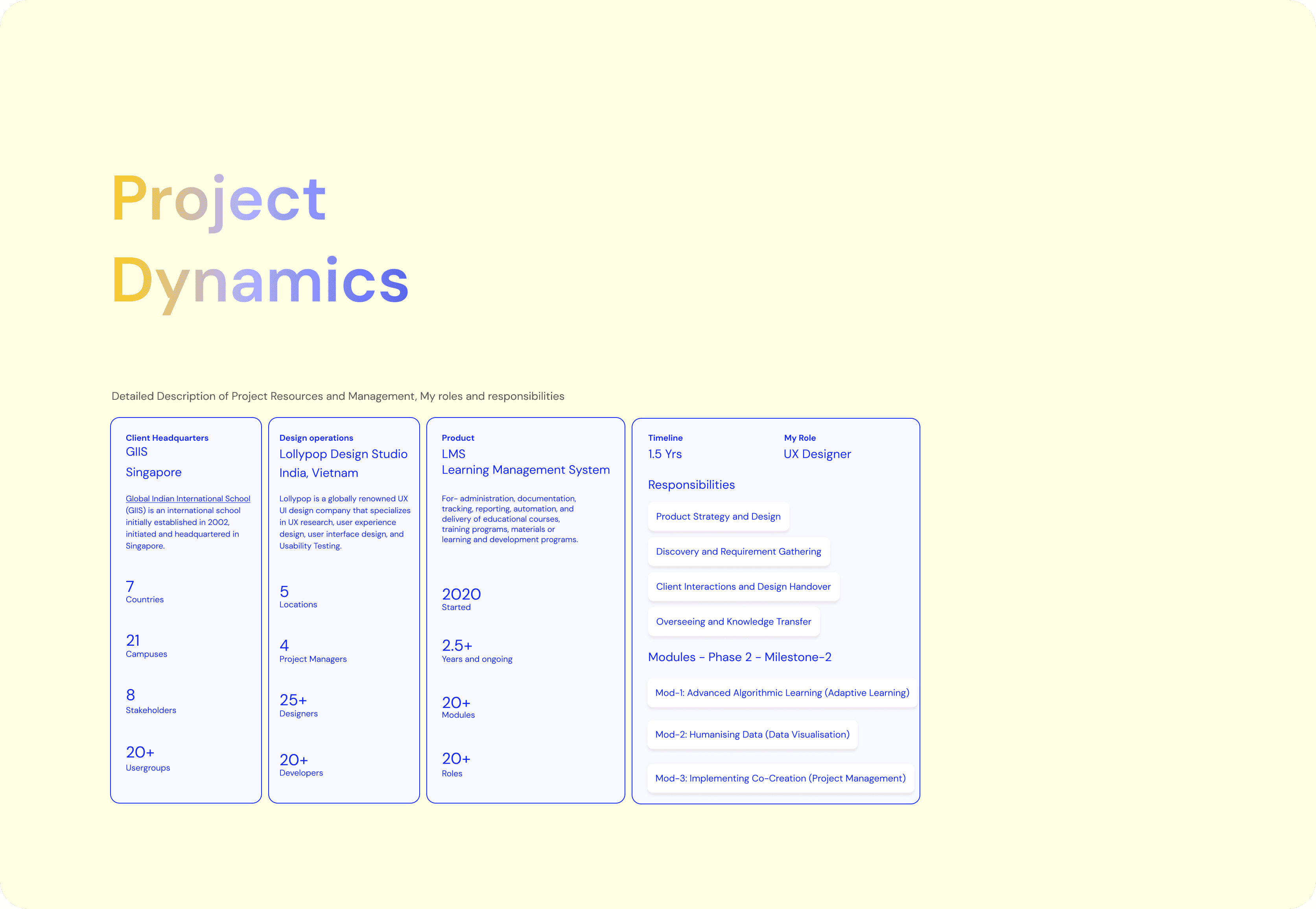
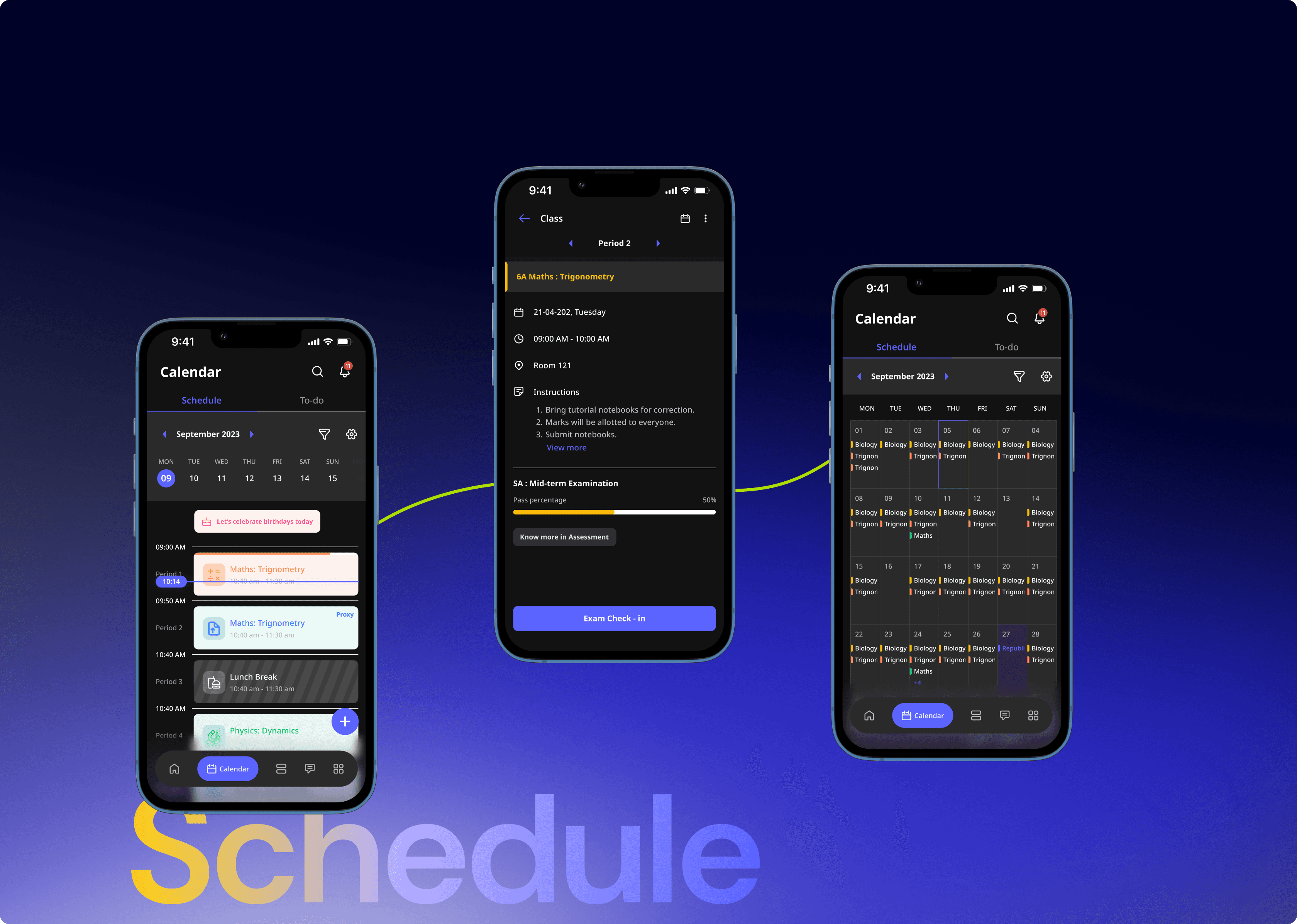
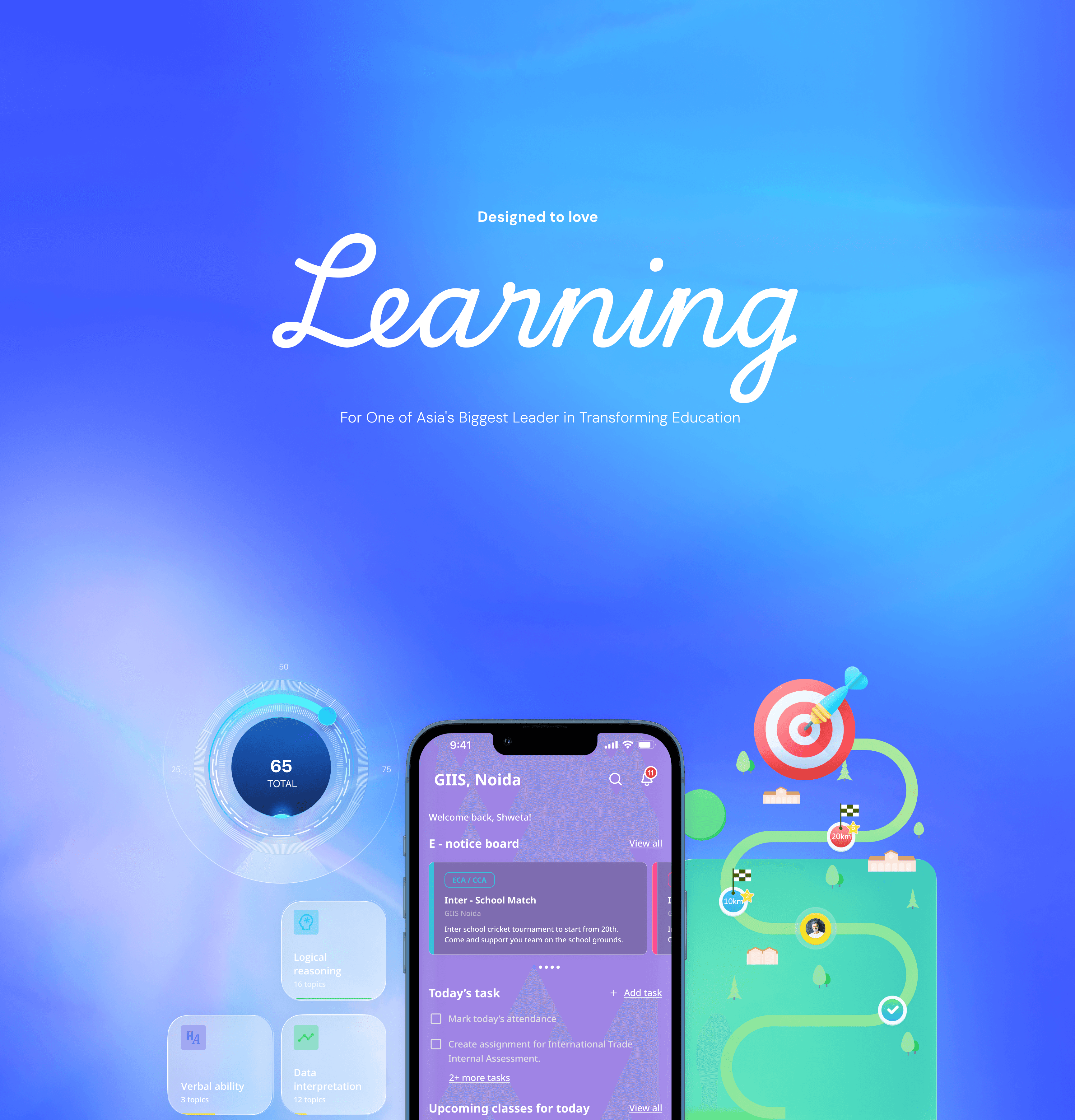
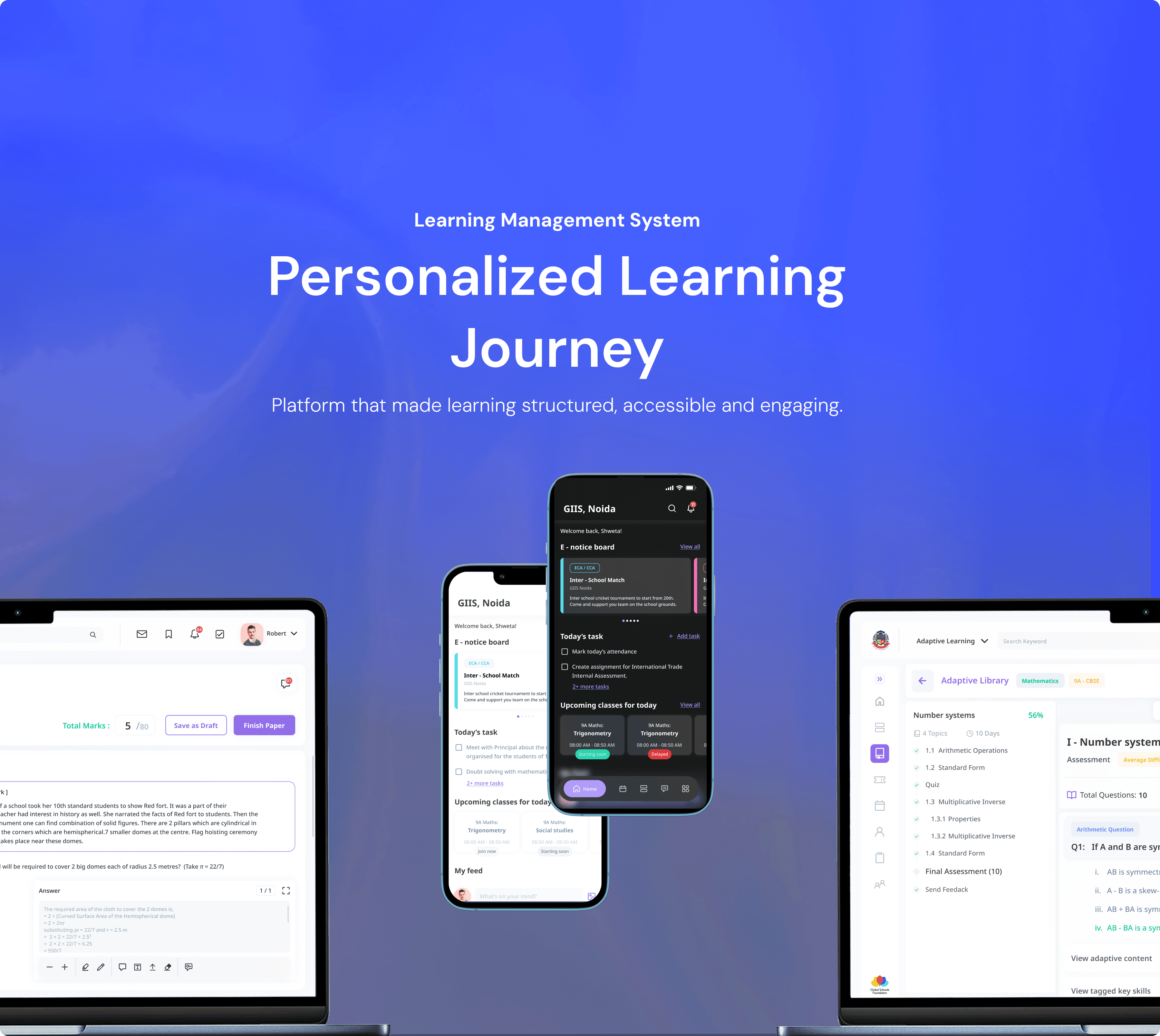
I Worked on the strategy and design of an adaptive Learning Management System that combined personalized learning paths, real-time data analytics, and gamification to enhance learner engagement and outcomes.

My role spanned across product strategy, project management, behavioral design and the integration of motivational game mechanics to support different learner personas.

Our client was GIIS. GIIS is the most sought after Schools for being the first school in in India to have SMART Campuses. It promotes NEXT-GEN learning by bringing innovative pedagogical systems and state-of-the-art technological advancement.

I Worked on the strategy and design of an adaptive Learning Management System that combined personalized learning paths, real-time data analytics, and gamification to enhance learner engagement and outcomes.

My role spanned across product strategy, project management, behavioral design and the integration of motivational game mechanics to support different learner personas.

Our client was GIIS. GIIS is the most sought after Schools for being the first school in in India to have SMART Campuses. It promotes NEXT-GEN learning by bringing innovative pedagogical systems and state-of-the-art technological advancement.

I Worked on the strategy and design of an adaptive Learning Management System that combined personalized learning paths, real-time data analytics, and gamification to enhance learner engagement and outcomes.

My role spanned across product strategy, project management, behavioral design and the integration of motivational game mechanics to support different learner personas.

Our client was GIIS. GIIS is the most sought after Schools for being the first school in in India to have SMART Campuses. It promotes NEXT-GEN learning by bringing innovative pedagogical systems and state-of-the-art technological advancement.

Convivial Toolbox over
Department Deliverables

Convivial Toolbox over
Department Deliverables

Designing strategies to enable learners to master and achieve the set learning outcomes, choosing appropriate technological resources to support the teaching and learning activities were a part of our design strategy drills.

Designing strategies to enable learners to master and achieve the set learning outcomes, choosing appropriate technological resources to support the teaching and learning activities were a part of our design strategy drills.

Convivial Toolbox over
Department Deliverables

Designing strategies to enable learners to master and achieve the set learning outcomes, choosing appropriate technological resources to support the teaching and learning activities were a part of our design strategy drills.

Designing for Design.

Designing for Design.

Creating Processes

Creating Processes

Design operations, Project Management

With respect to understanding systems and creating models we determined and created models. We determined specific goals and instructional issues, identified the characteristics and needs of the learners with respect to other roles, clarified the course content and analysed the proposed task components in relationship to the set goals.

15+

15+

15+

A redesigned Learning Management System streamlined course delivery and increased student log-ins by 12% (measured by comparing weekly active users pre- and post-launch over 3 months).

61+

61+

61+

Role-based dashboards with real-time updates reduced missed communications by 15% (tracked via drop in unresolved support queries and message acknowledgment rates).

32%

32%

32%

Personalized course modules improved completion rates by 10% (measured by comparing completion ratios of standardized vs. customized courses).

With respect to understanding systems and creating models we determined and created models. We determined specific goals and instructional issues, identified the characteristics and needs of the learners with respect to other roles, clarified the course content and analysed the proposed task components in relationship to the set goals.

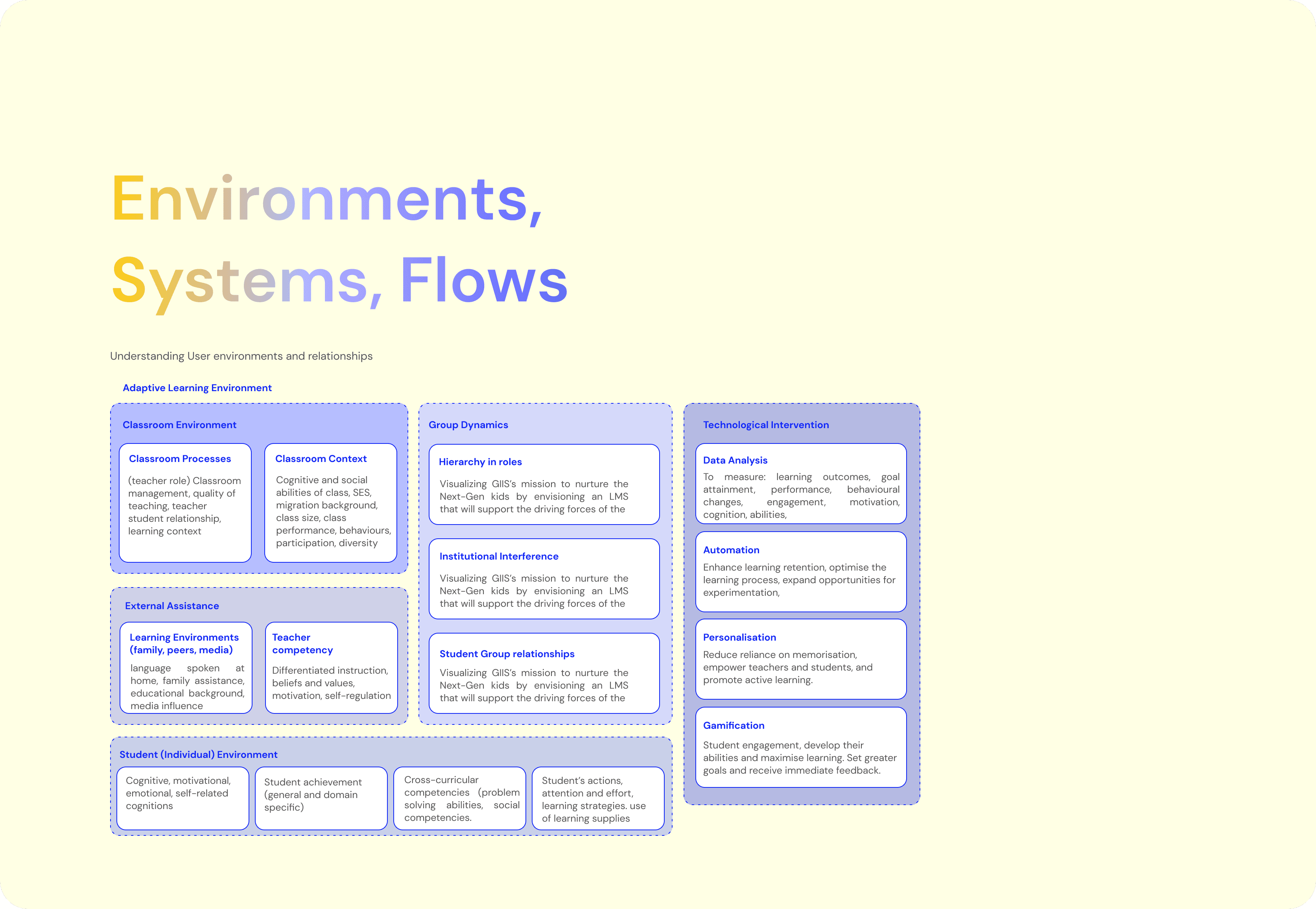
Understanding environments

Understanding environments

System Design

System Design

Hybrid Education, Cultural Differences

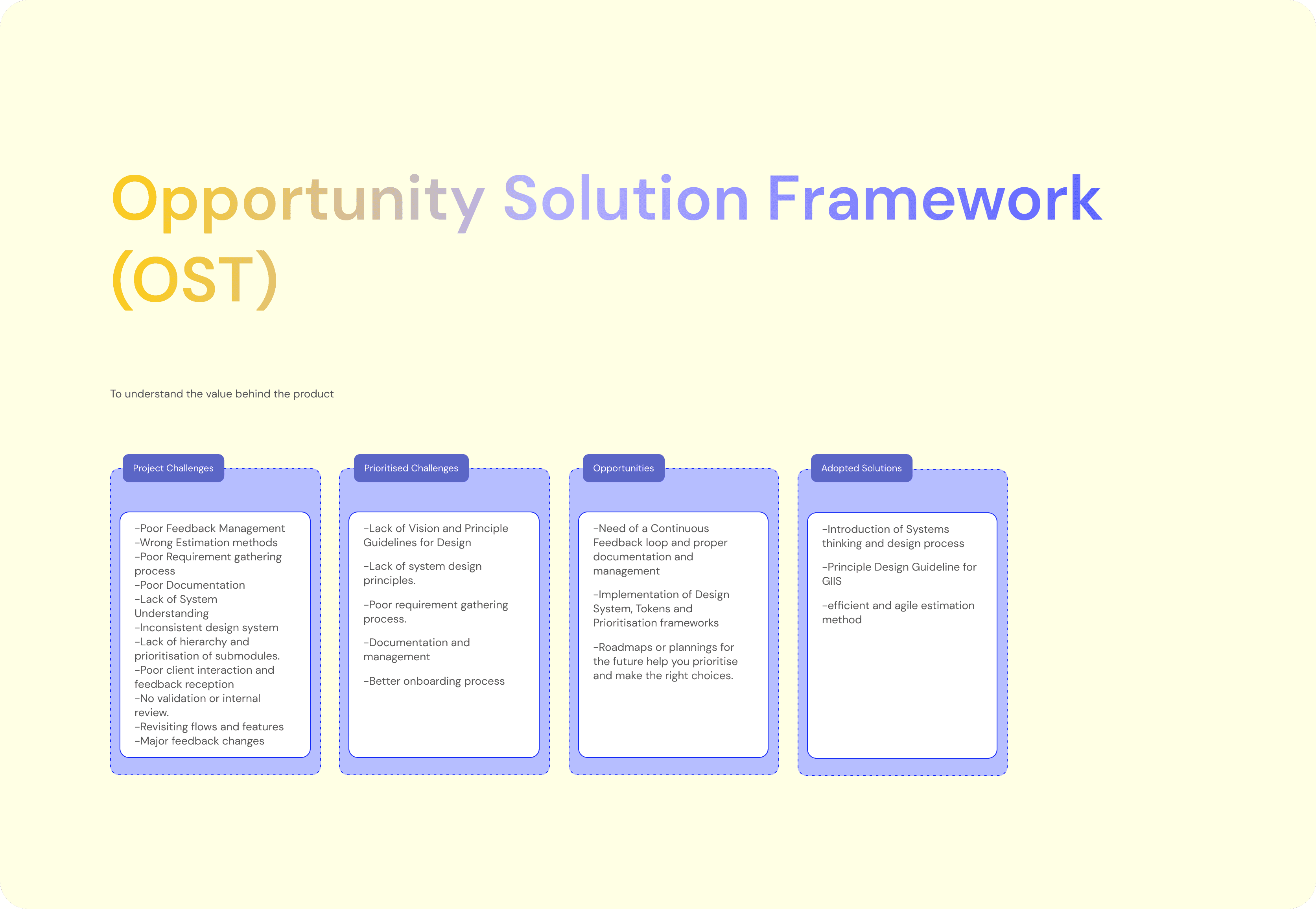
I helped towards architecting a system so that all functional and non-functional requirements are met, including APIs, use cases, and integrations. Even if you’re not directly responsible for the intricate details of this architecture, you should understand the big-picture, and how different system components support the goals of the module, and meet the requirements of your users.

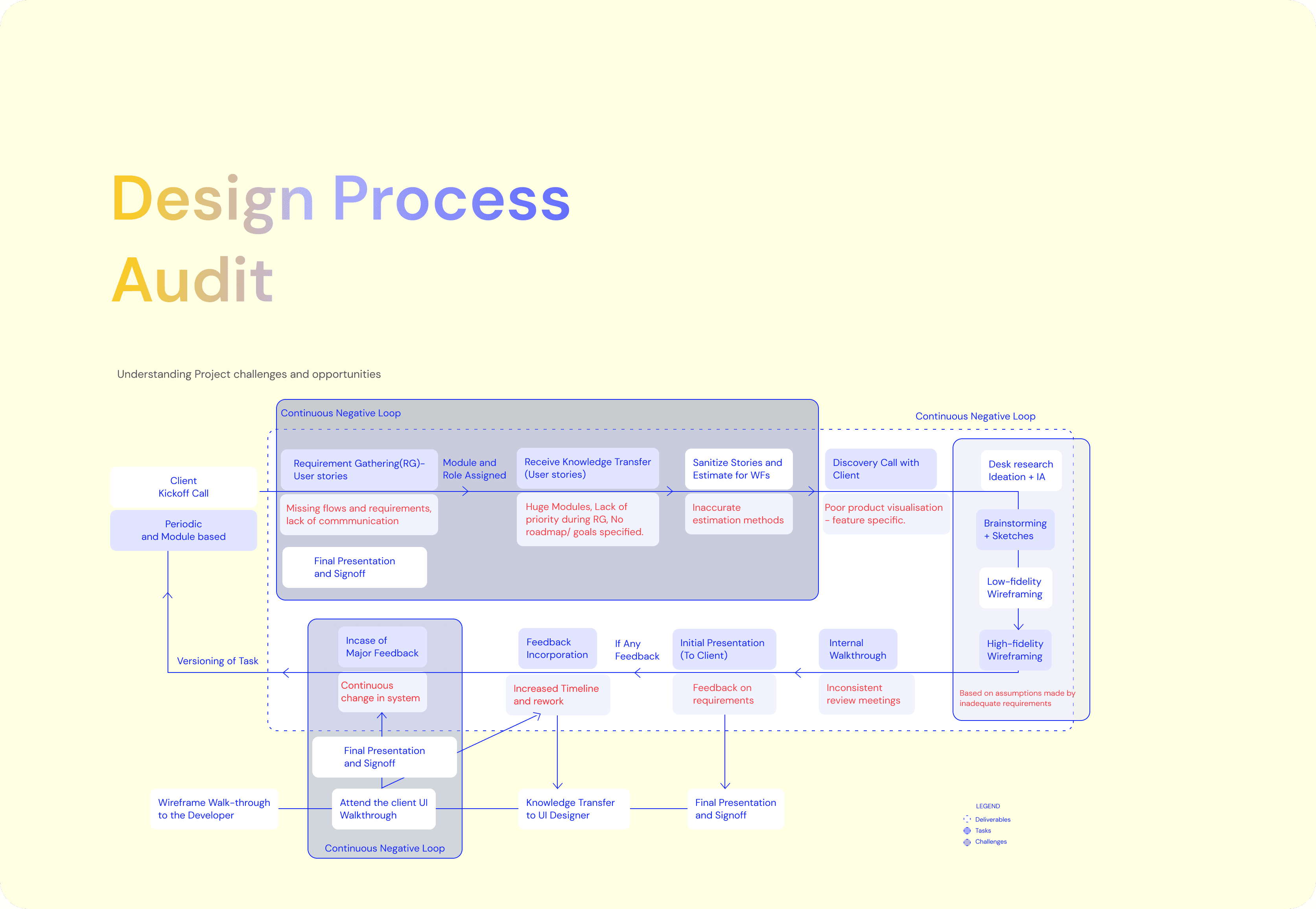
Below is a systems inspired process that I introduced to the team.

15+

15+

15+

A redesigned Learning Management System streamlined course delivery and increased student log-ins by 12% (measured by comparing weekly active users pre- and post-launch over 3 months).

61+

61+

61+

Role-based dashboards with real-time updates reduced missed communications by 15% (tracked via drop in unresolved support queries and message acknowledgment rates).

32%

32%

32%

Personalized course modules improved completion rates by 10% (measured by comparing completion ratios of standardized vs. customized courses).

I helped towards architecting a system so that all functional and non-functional requirements are met, including APIs, use cases, and integrations. Even if you’re not directly responsible for the intricate details of this architecture, you should understand the big-picture, and how different system components support the goals of the module, and meet the requirements of your users.

Below is a systems inspired process that I introduced to the team.

Beyond Processes

Beyond Processes

Understanding Behavior

Understanding Behavior

Behavioral Design

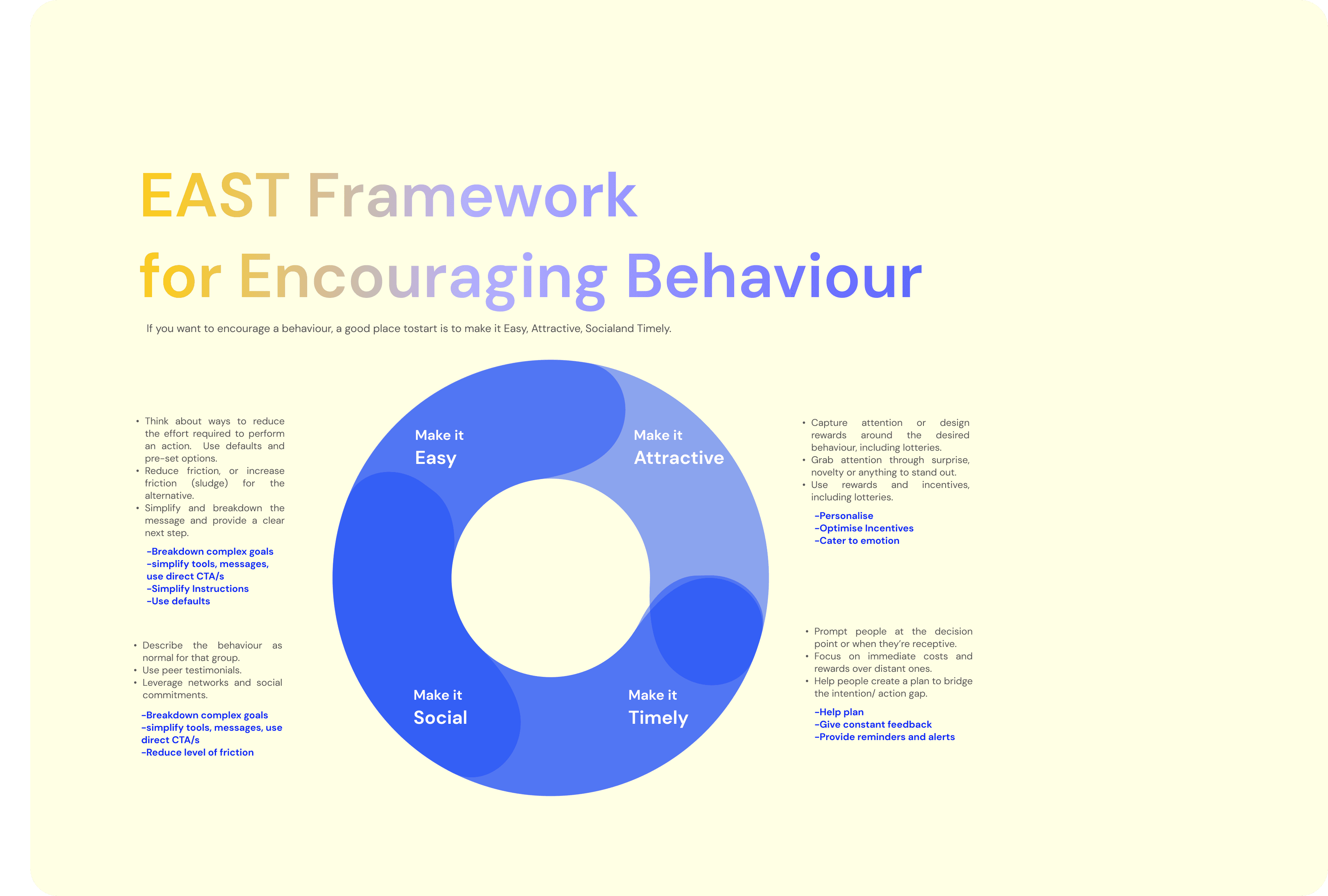
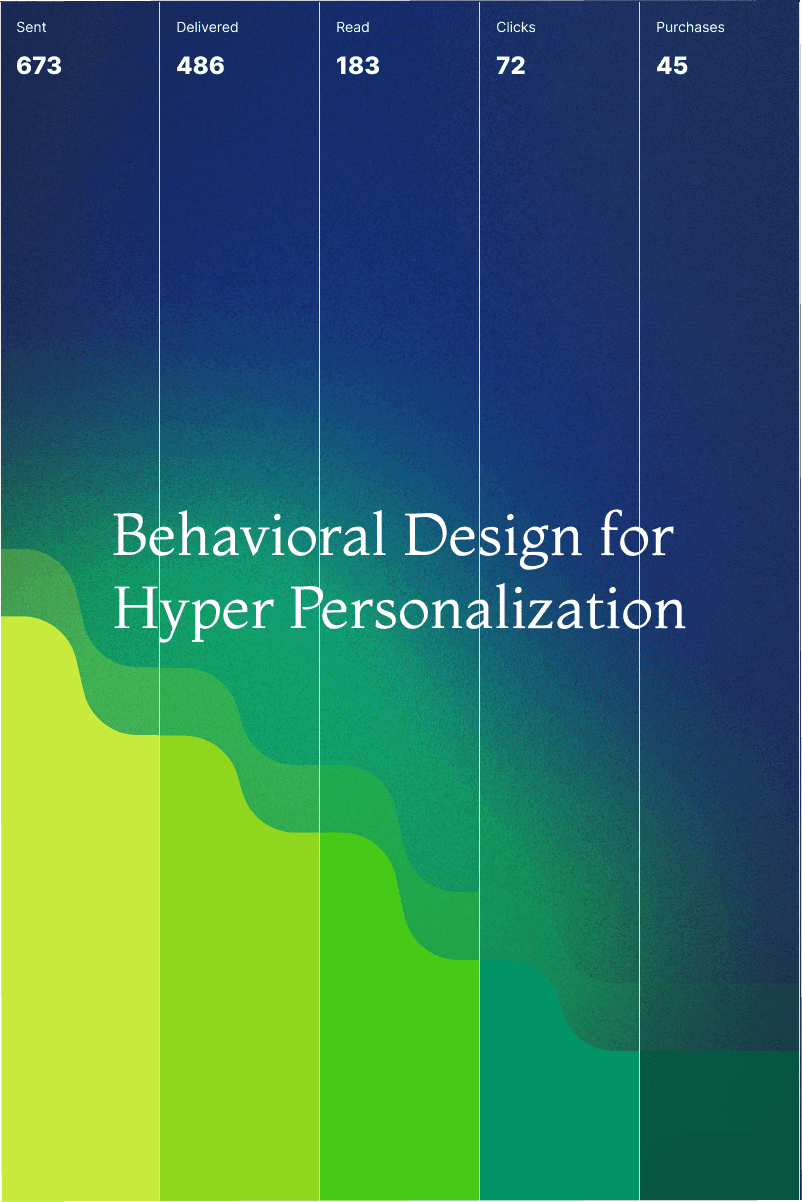
Behavioural design is a framework for intensionally and systematically changing human behaviour through persuasive modification from physical and digital world.
It offers ideas and techniques for persuading user behaviour.For each one there is a purpose -and for each purpose a tool. We tried to incorporate the B-wheel to Adaptive learning module and Project management module.


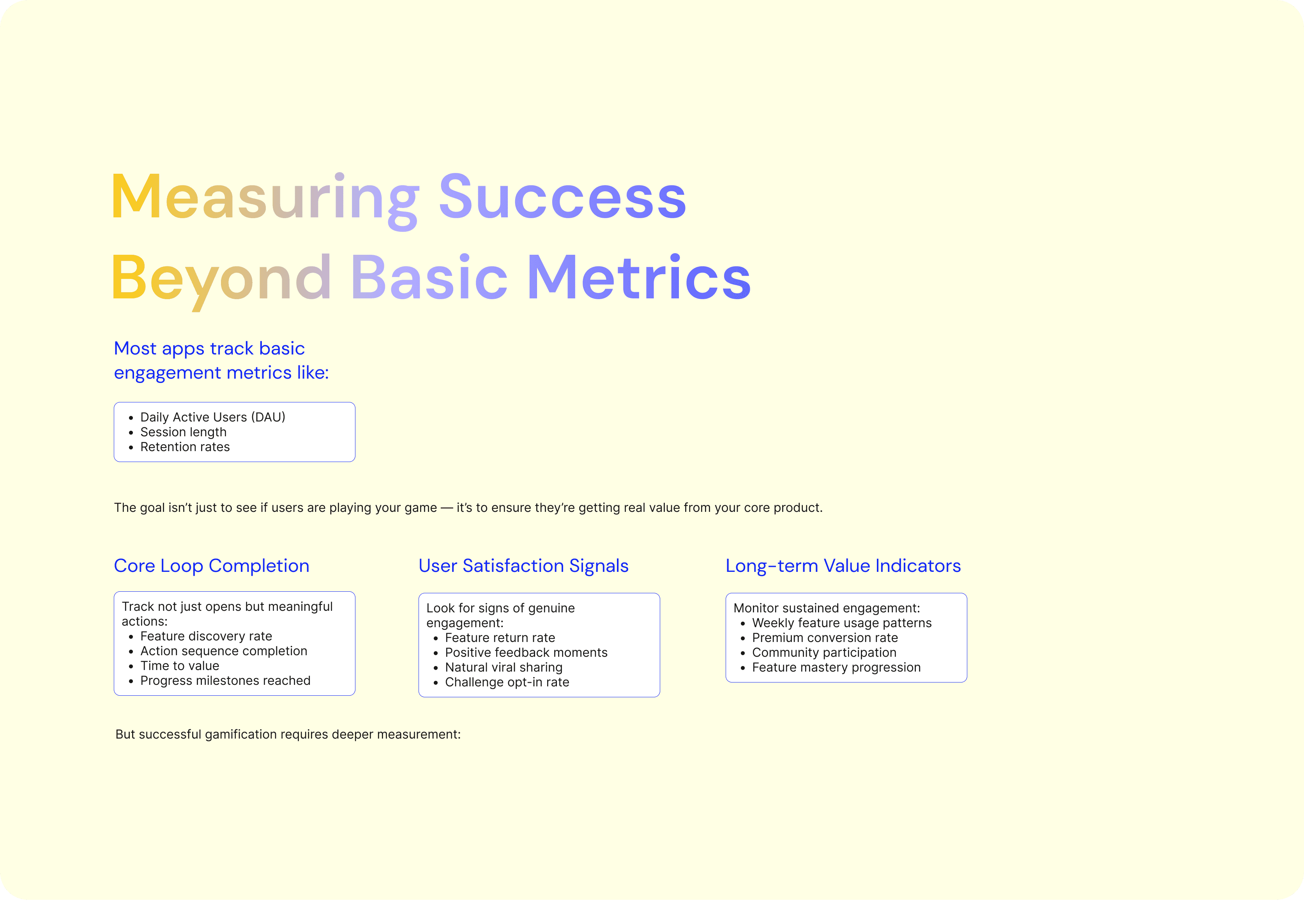
We’re typically referring to gathering data on three areas: efficiency, effectiveness, and outcome ,

  • Efficiency is generally thought of as learning-centric activity metrics—number of learners, time on task, frequencies of resources downloads, quiz scores, attempts, hint usage, etc.

  • Effectiveness metrics are evaluation-focused and include aspects like learner engagement, quality of deliverables, knowledge acquisition, collaboration, prog- ress, performance, etc.

  • Outcome looks at bottom-line results. To the extent that efficiency and effec- tiveness metrics matter, they provide validation and explanation for the outcome.
Behavioural design is a framework for intensionally and systematically changing human behaviour through persuasive modification from physical and digital world.
It offers ideas and techniques for persuading user behaviour.For each one there is a purpose -and for each purpose a tool. We tried to incorporate the B-wheel to Adaptive learning module and Project management module.


We’re typically referring to gathering data on three areas: efficiency, effectiveness, and outcome ,

Efficiency is generally thought of as learning-centric activity metrics—number of learners, time on task, frequencies of resources downloads, quiz scores, attempts, hint usage, etc.

Effectiveness metrics are evaluation-focused and include aspects like learner engagement, quality of deliverables, knowledge acquisition, collaboration, prog- ress, performance, etc.

Outcome looks at bottom-line results. To the extent that efficiency and effec- tiveness metrics matter, they provide validation and explanation for the outcome.
What they say

What they say

Understanding needs and desires

Understanding needs and desires

User Research

To understand the product, it wasn’t enough just to talk to the stakeholders and users, we had to understand about learner centred approach, Instruction and learning design, student psychology and educational systems. We had to understand how our product was going to intervene in a regular school environment. We needed to know how an intervention is going to help the system. The interconnection of physical and virtual learning systems.

We had to create a system model describing how processes interact and what operations these processes perform in different scenarios.

To understand the product, it wasn’t enough just to talk to the stakeholders and users, we had to understand about learner centred approach, Instruction and learning design, student psychology and educational systems. We had to understand how our product was going to intervene in a regular school environment. We needed to know how an intervention is going to help the system. The interconnection of physical and virtual learning systems.

We had to create a system model describing how processes interact and what operations these processes perform in different scenarios.

What they do

What they do

Understanding Actions

Understanding Actions

User Testing

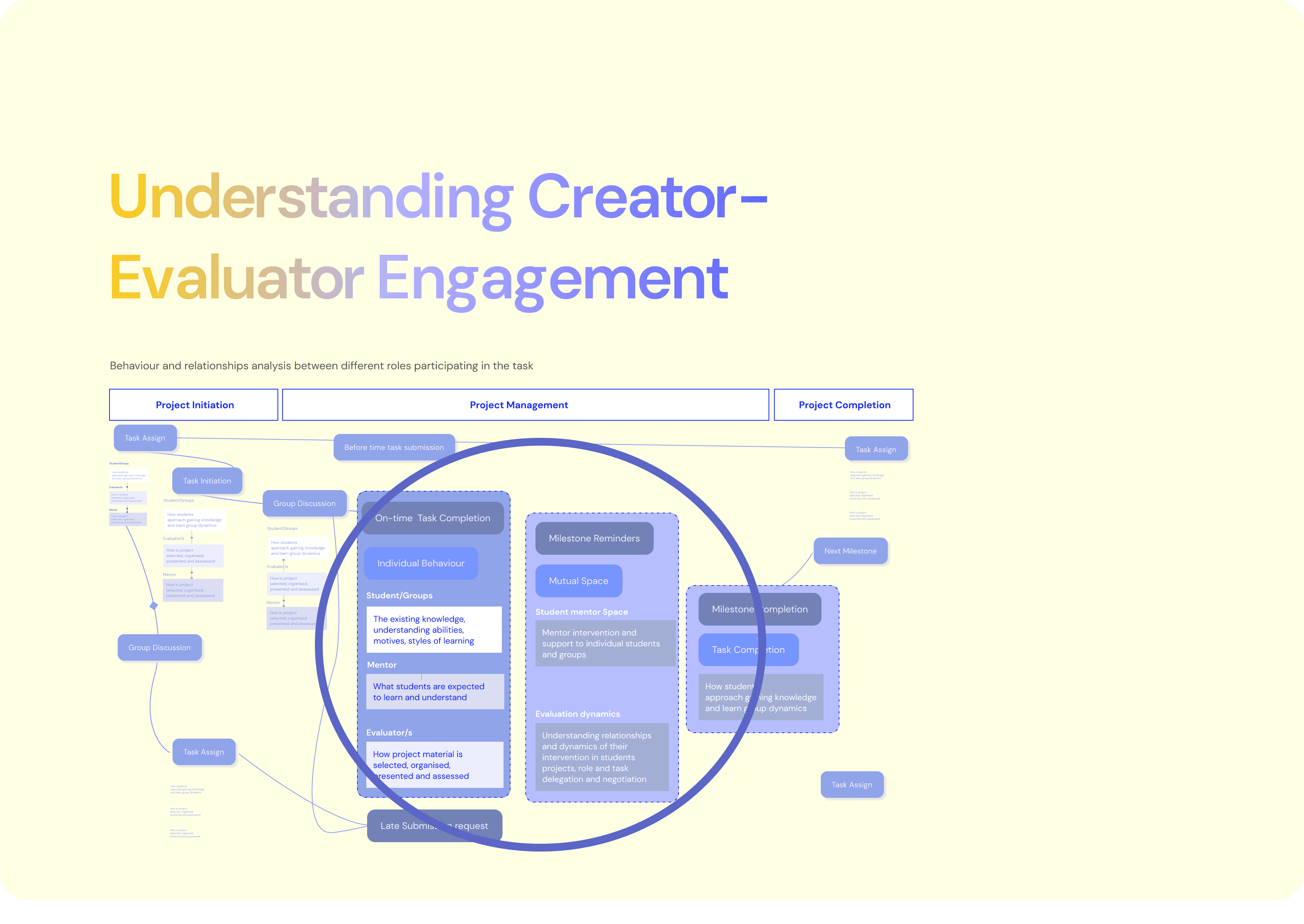
Understanding role hierarchy just isn't enough we have to also understand the relationships between roles and what impact they create on the modules, School (Business) - Parent(Client) Engagement, LMS (Product) - Student (User) Engagement, School (Company) - Role(Employee) Engagement, Socio Economic Context

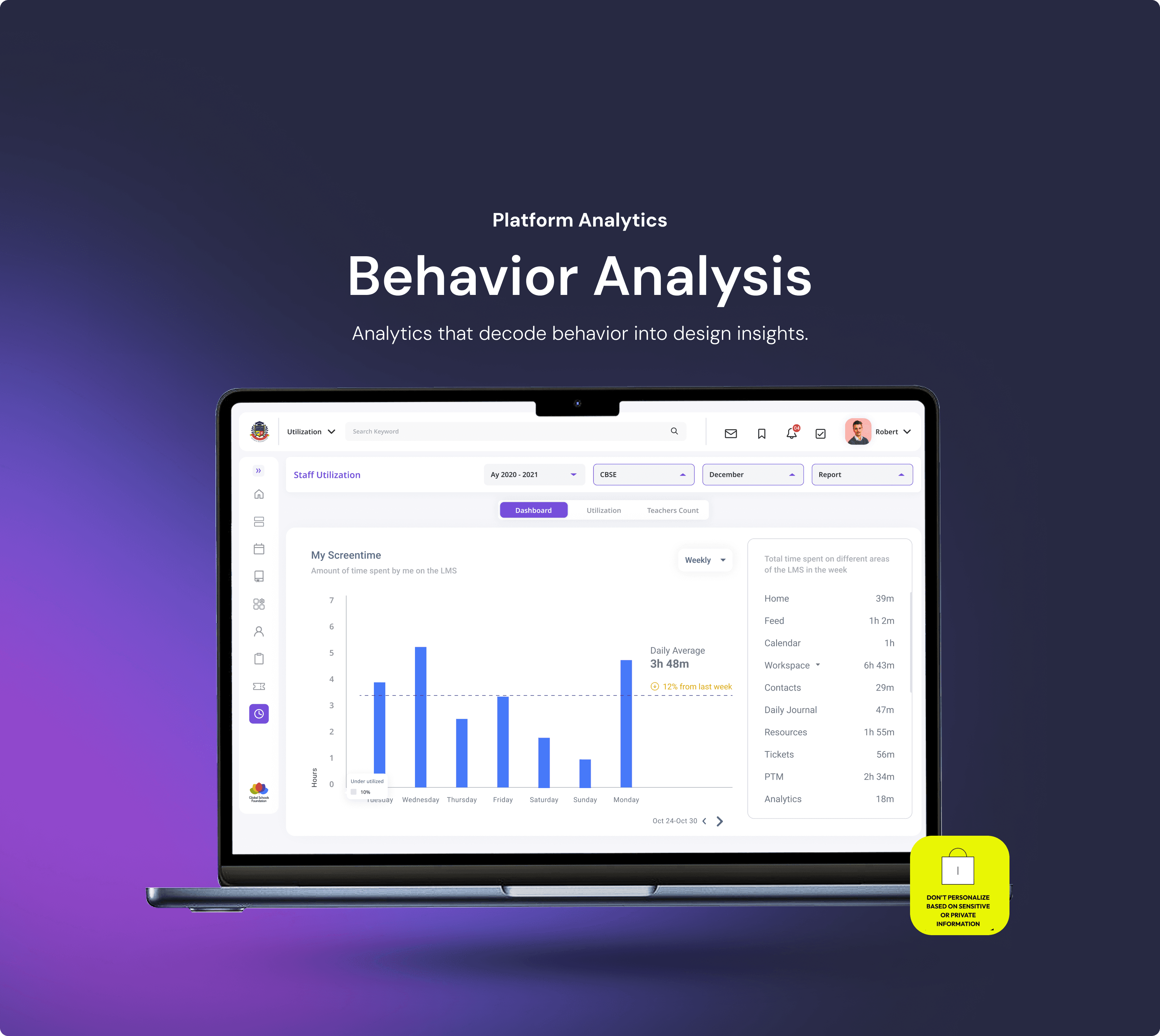
The cyclical process of learning analytics is fed with the continuously generated learner/user data that came from the learning management system from their screen time to academic performance, everything is recorded. The data collection had specific objectives and outcomes. We were meant to measure learning outcomes, goal attainment, performance, behavioural changes, engagement, motivation, cognition, abilities, emotions, etc.

Understanding role hierarchy just isn't enough we have to also understand the relationships between roles and what impact they create on the modules, School (Business) - Parent(Client) Engagement, LMS (Product) - Student (User) Engagement, School (Company) - Role(Employee) Engagement, Socio Economic Context

The cyclical process of learning analytics is fed with the continuously generated learner/user data that came from the learning management system from their screen time to academic performance, everything is recorded. The data collection had specific objectives and outcomes. We were meant to measure learning outcomes, goal attainment, performance, behavioural changes, engagement, motivation, cognition, abilities, emotions, etc.

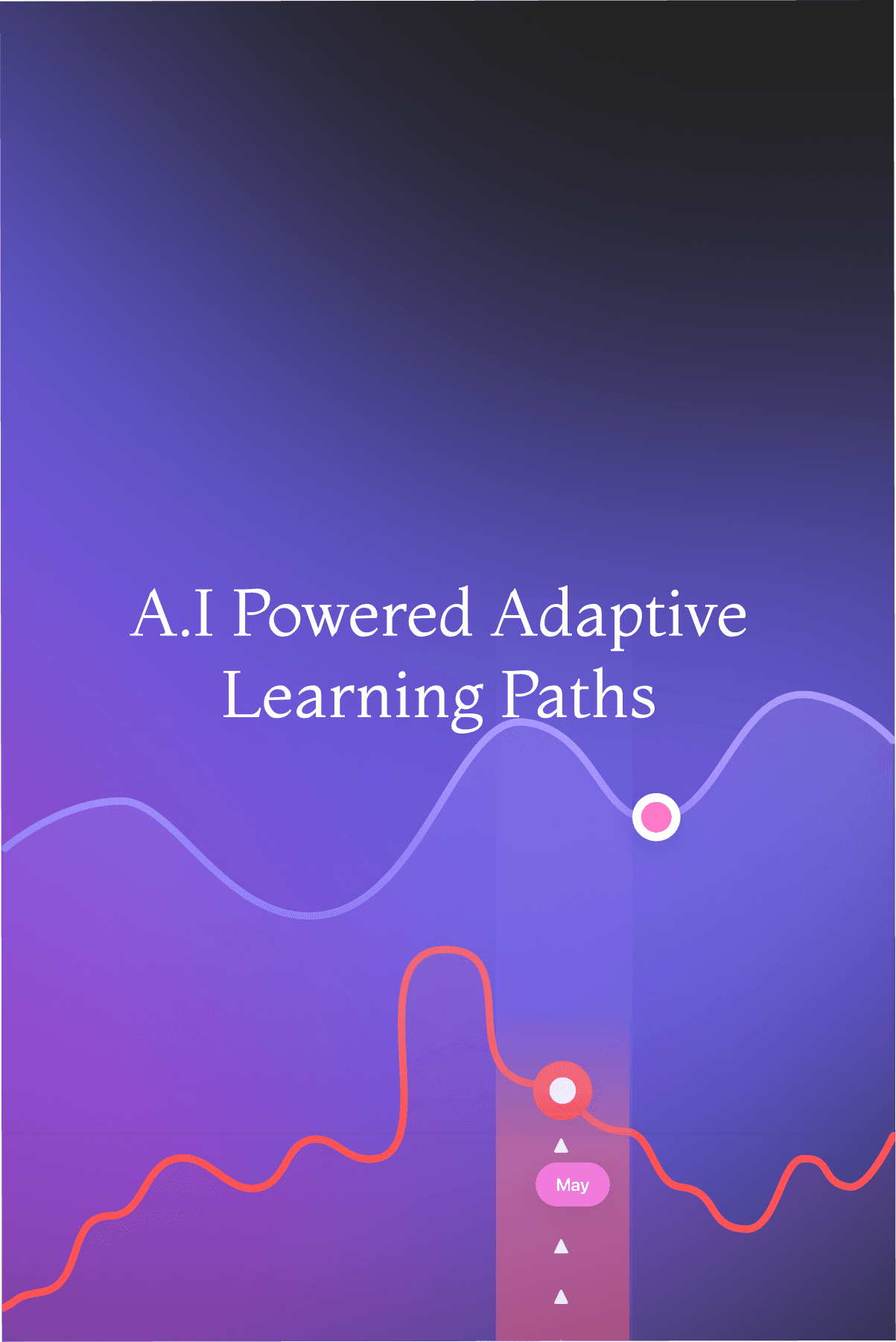
A.I Powered

A.I Powered

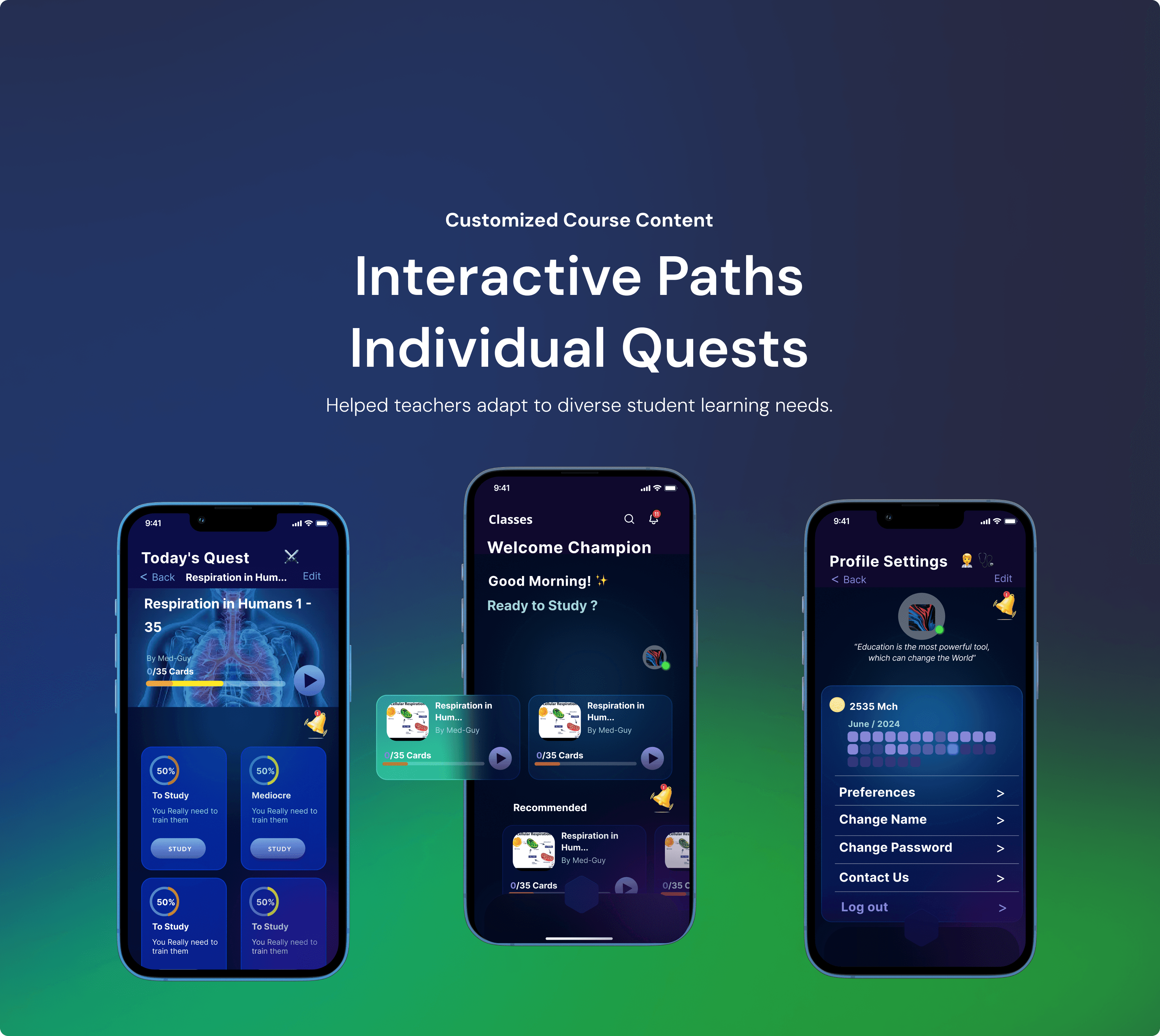
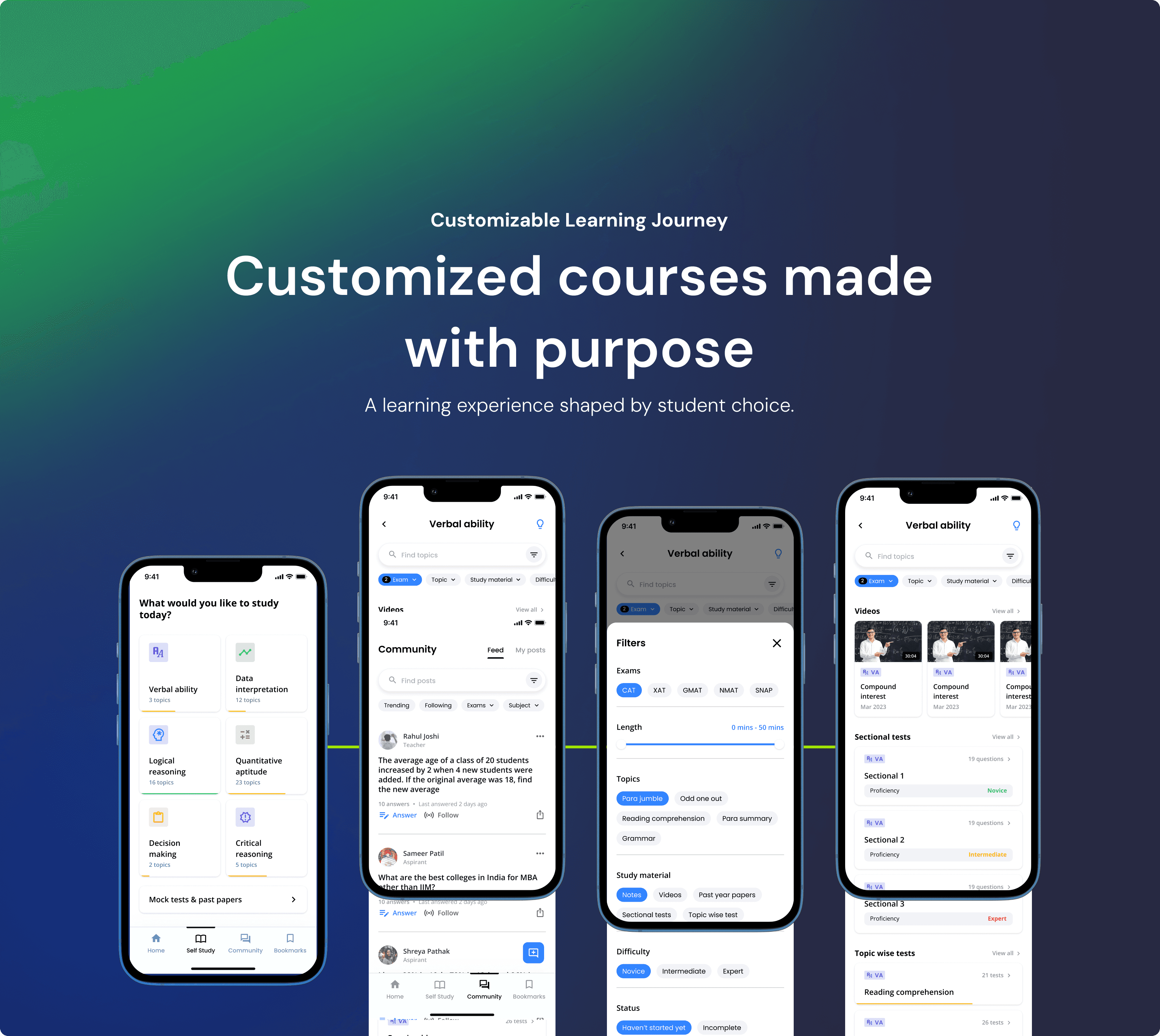
Personalized Adaptive Learning Paths

Personalized Adaptive Learning Paths

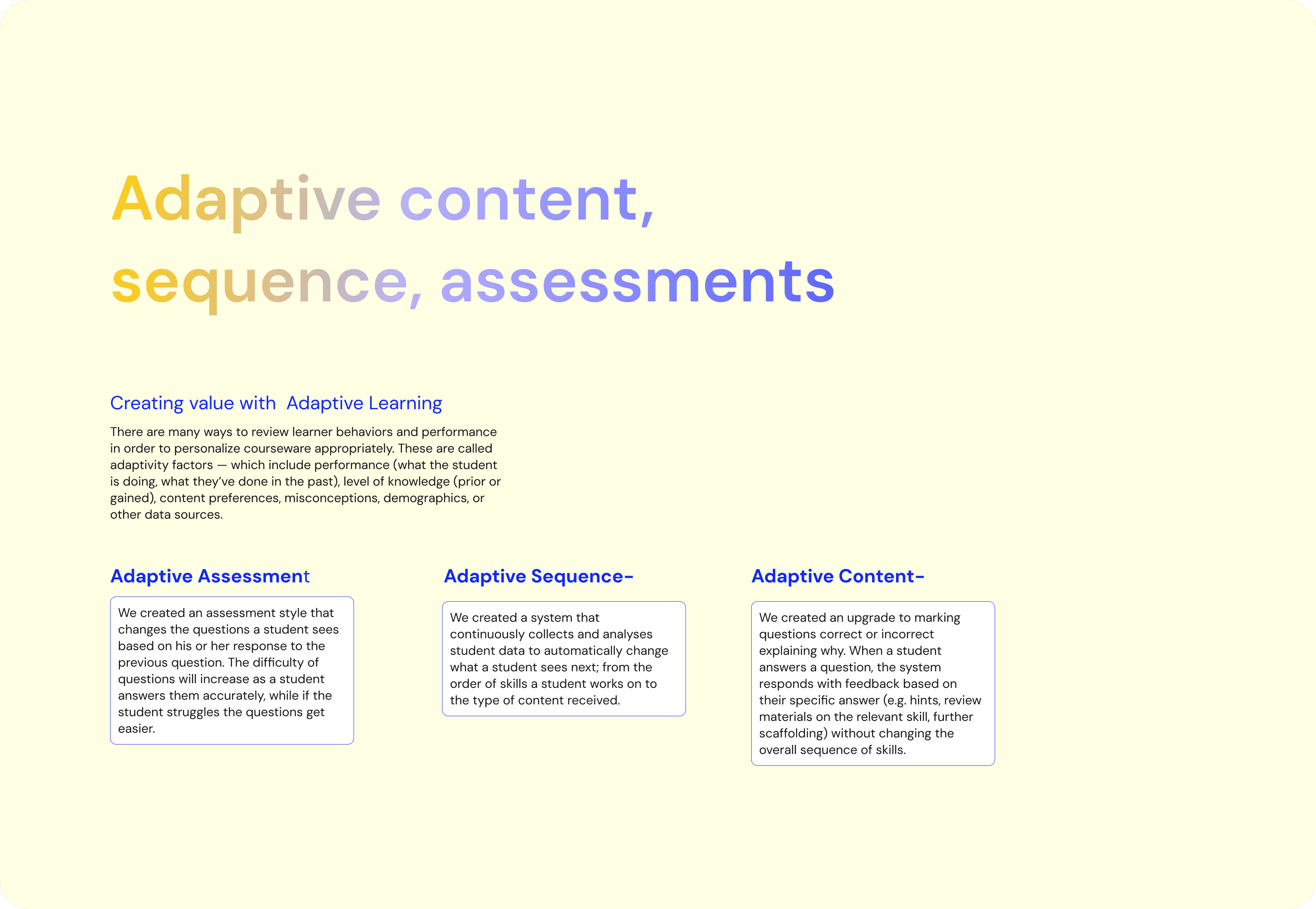
Adaptive learning, paths and assessments

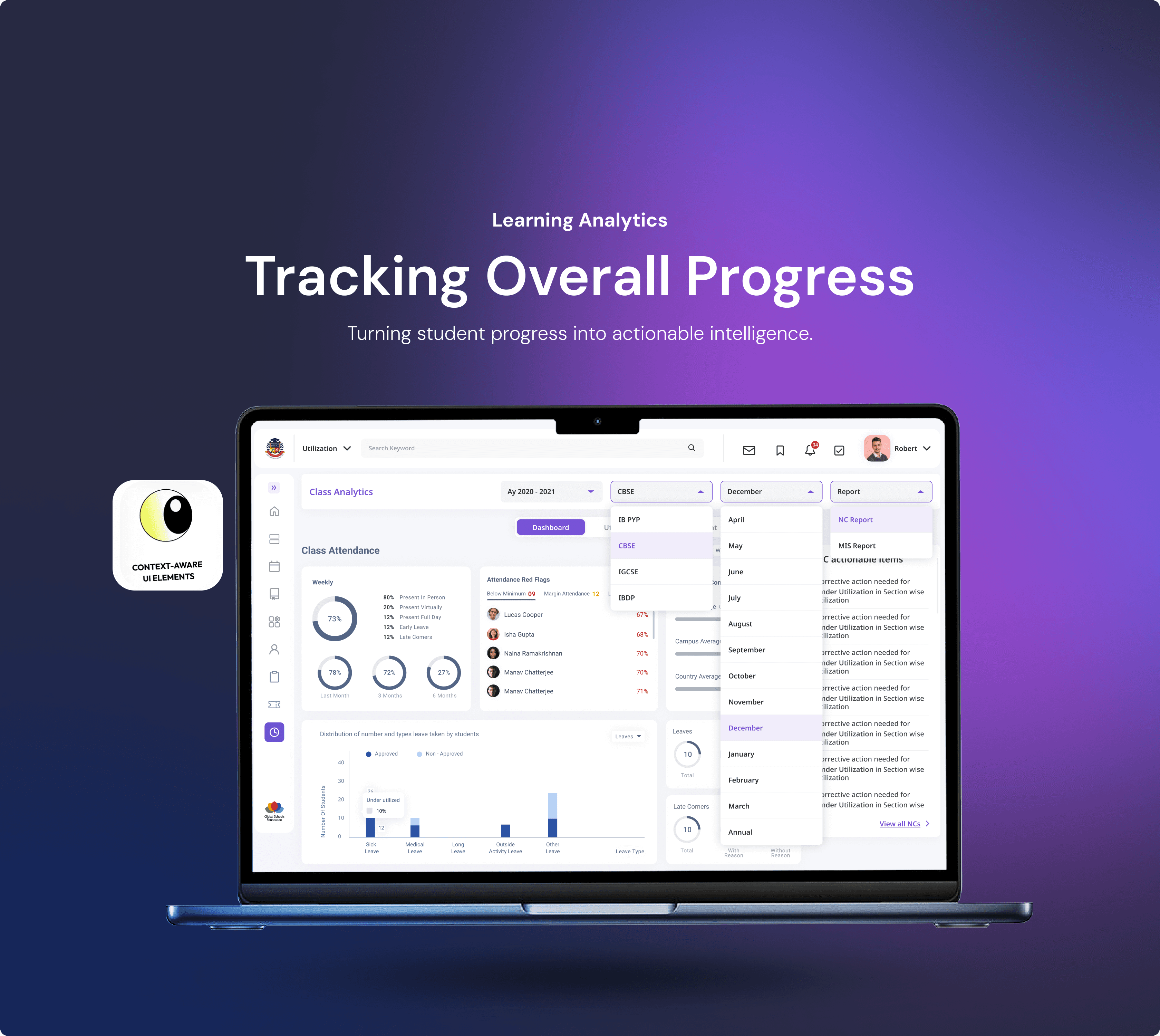
Like any other context-aware process, in learning analytics procedures we track and record data about learners and their contexts, organise and monitor them, and interpret and map the real current state of those data, to use them for providing insights to act upon.

8%

Adaptive assessments reduced average test time by 8% (calculated from completion times across standardized vs. adaptive formats).

9%

Flexible learning paths increased course retention by 9% (measured by comparing drop-off rates across student cohorts).

14%

Adaptive evaluation tools reduced grading time by 14% (calculated by averaging manual vs. automated evaluation times).

Like any other context-aware process, in learning analytics procedures we track and record data about learners and their contexts, organise and monitor them, and interpret and map the real current state of those data, to use them for providing insights to act upon.

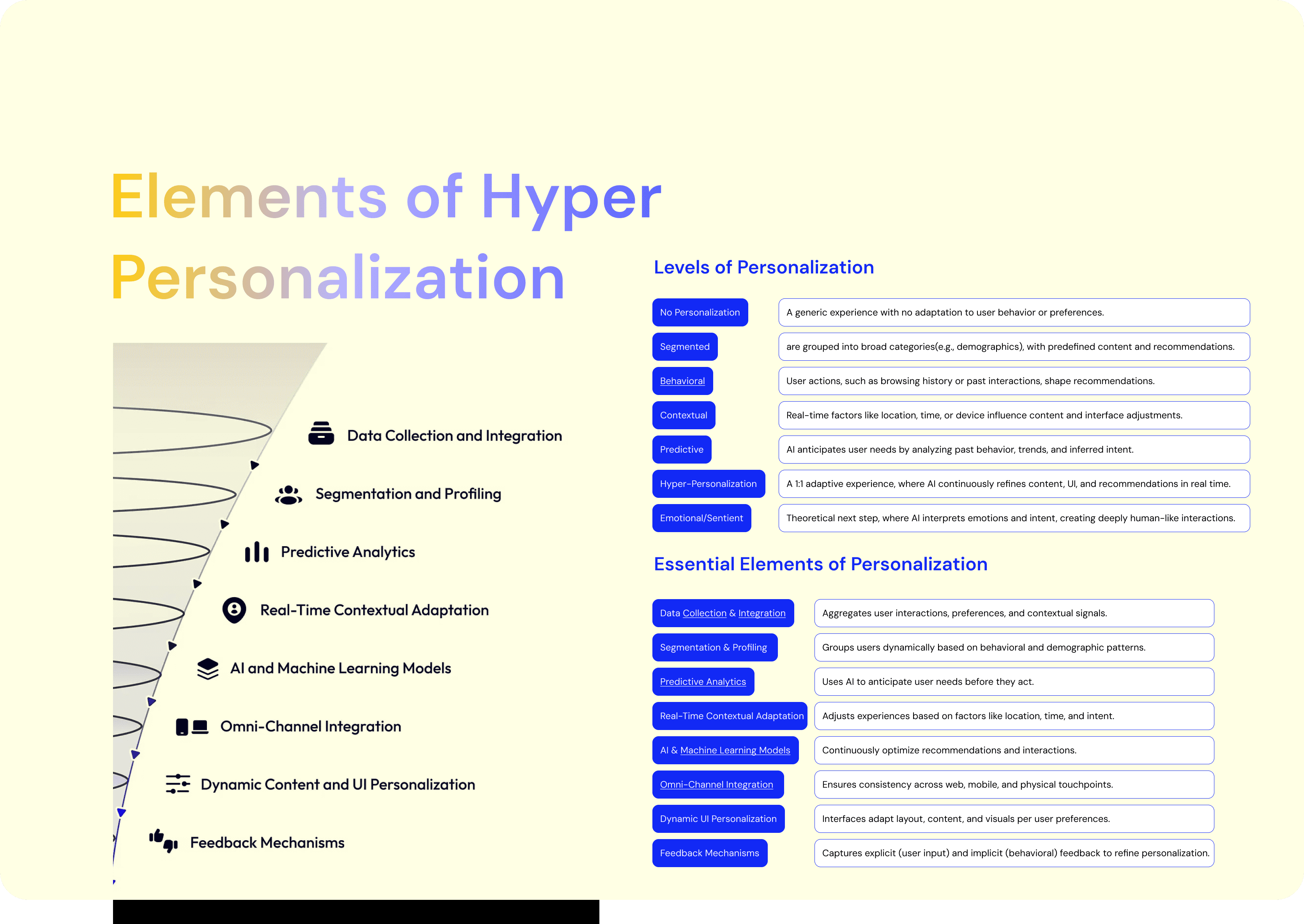
Hyper Personalization

Hyper Personalization

is Advanced Data Analytics

is Advanced Data Analytics

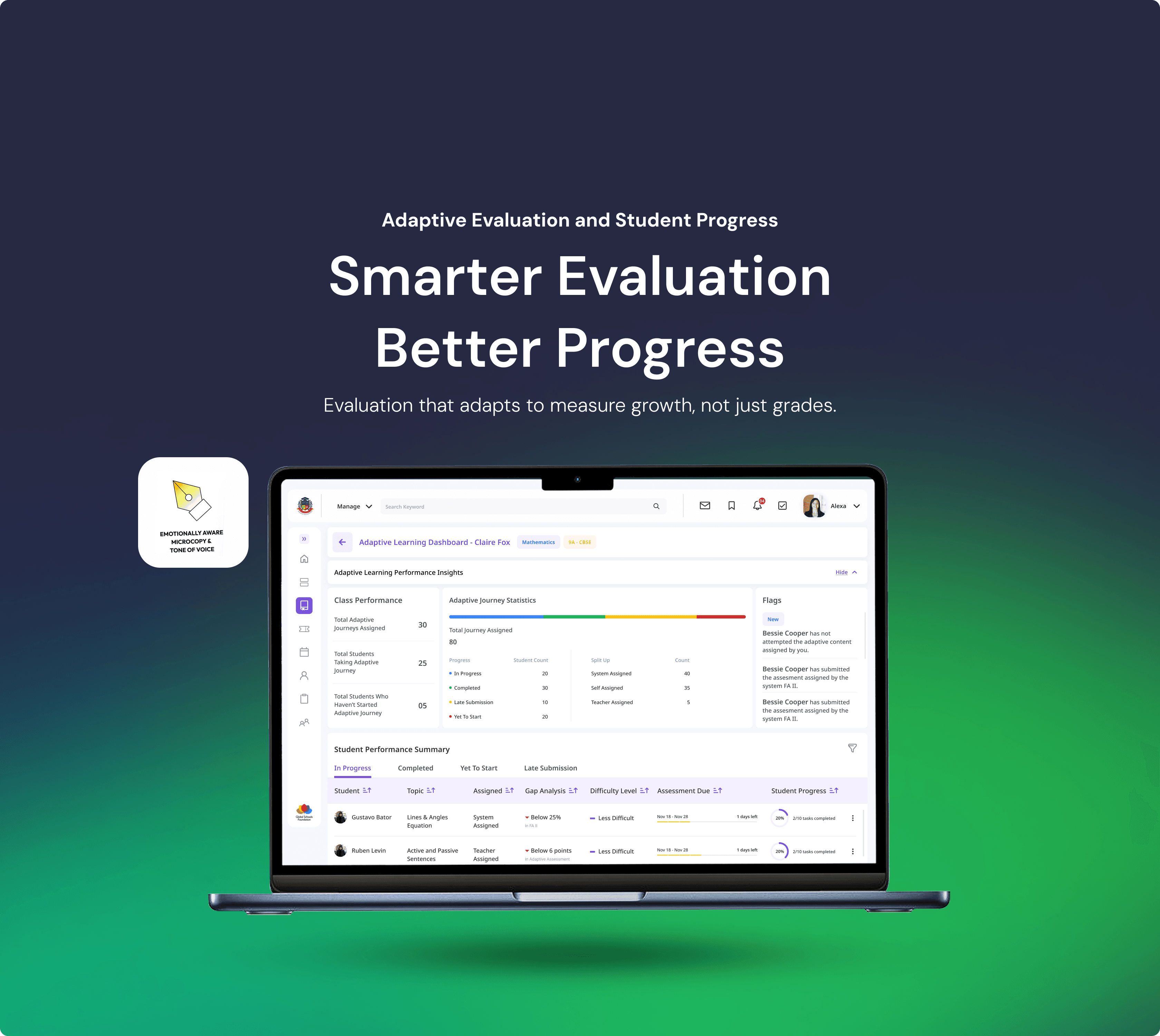
Data Analytics and Visualization

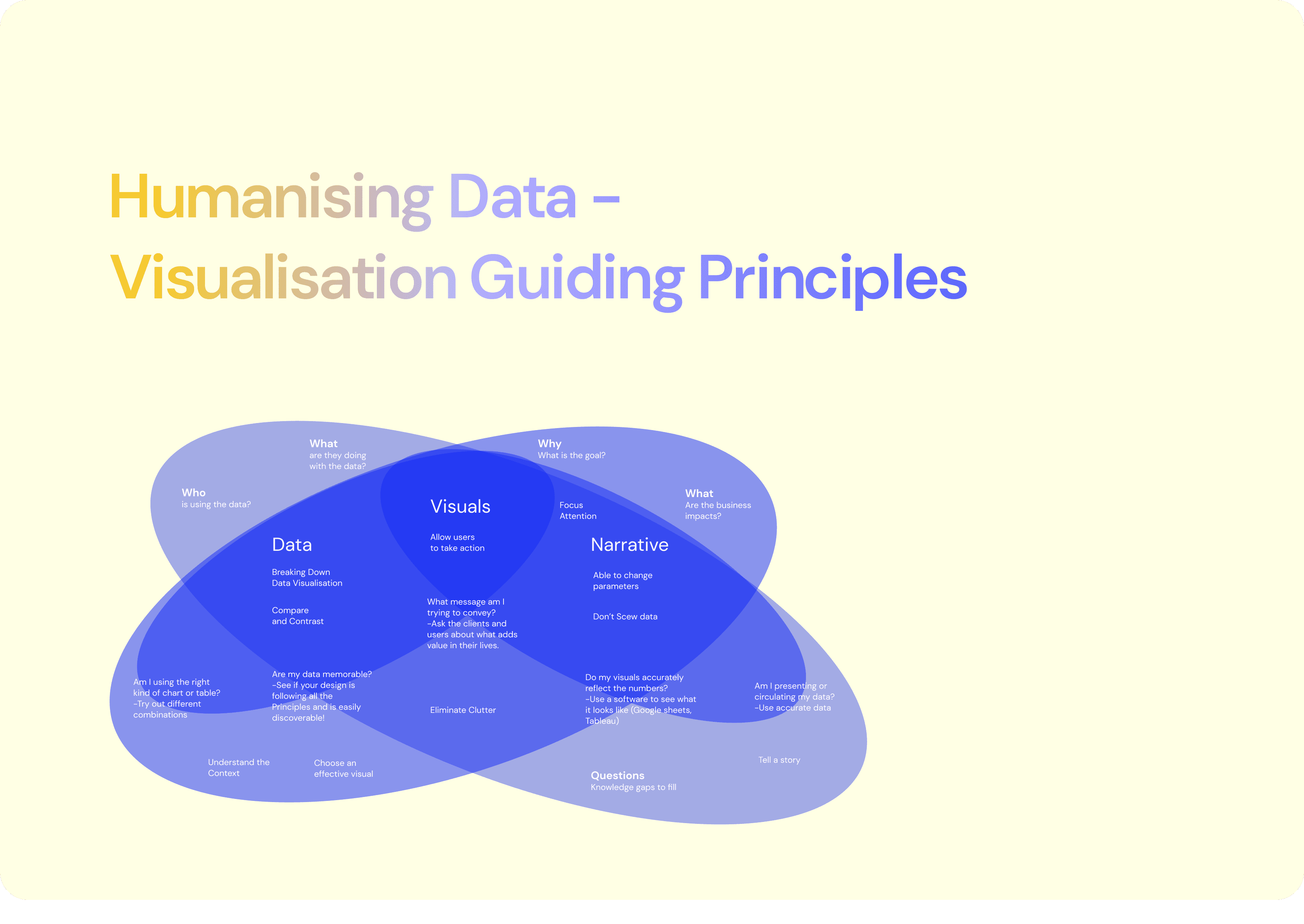
Every “trace” within an electronic learning environment may be valuable information that can be tracked, analysed and combined, every simple or more complex action within such environments can be isolated, identified and classified into meaningful patterns; every type of interaction can be coded into behavioural schemes and decoded into interpretable guidance for decision making and to acting upon the data-based evidence for delivering personalised learning to each individual.

It’s a developing field and had huge potential in transforming the education system and in making it more transparent and enriching.

16%

Learning analytics improved intervention effectiveness by 16% (measured by improved outcomes of students flagged at-risk).

12%

Gamified progress tracking increased student engagement by 12% (measured via average daily time spent on the platform).

13%

Resource analytics improved teacher utilization efficiency by 13% (calculated from timetable allocation vs. teaching hours).

Every “trace” within an electronic learning environment may be valuable information that can be tracked, analysed and combined, every simple or more complex action within such environments can be isolated, identified and classified into meaningful patterns; every type of interaction can be coded into behavioural schemes and decoded into interpretable guidance for decision making and to acting upon the data-based evidence for delivering personalised learning to each individual.

It’s a developing field and had huge potential in transforming the education system and in making it more transparent and enriching.

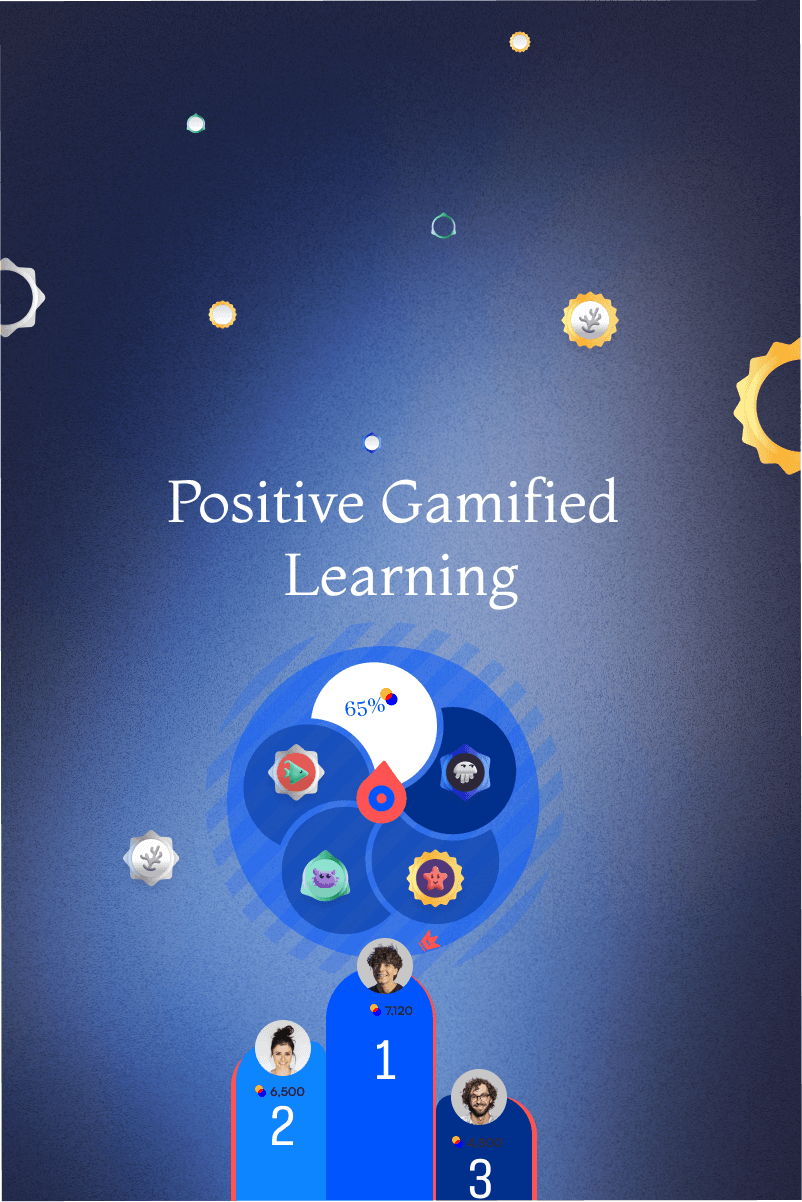
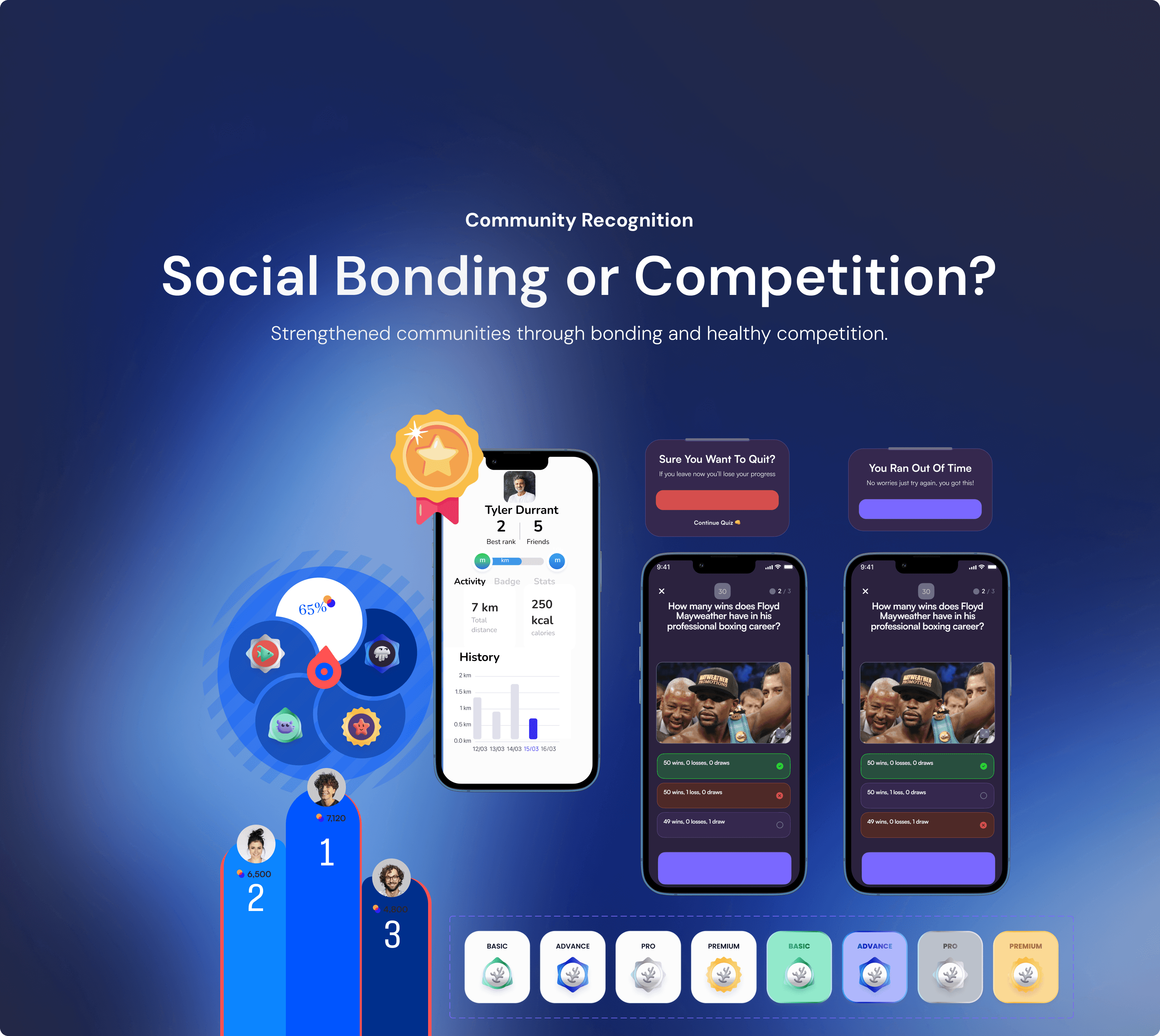
Gamification techniques

Gamification techniques

suitable for children

suitable for children

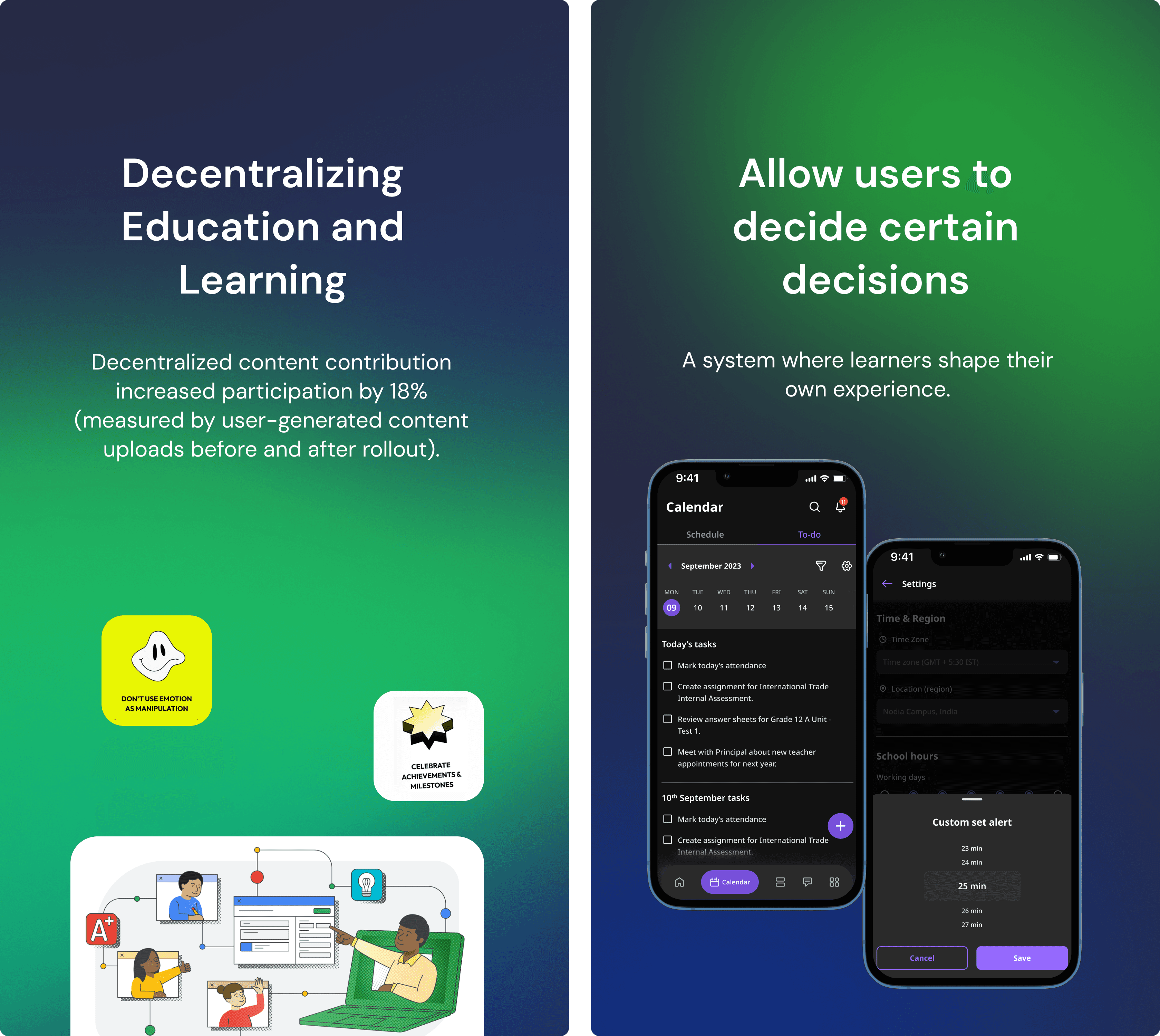
What works with kids and what doesn't

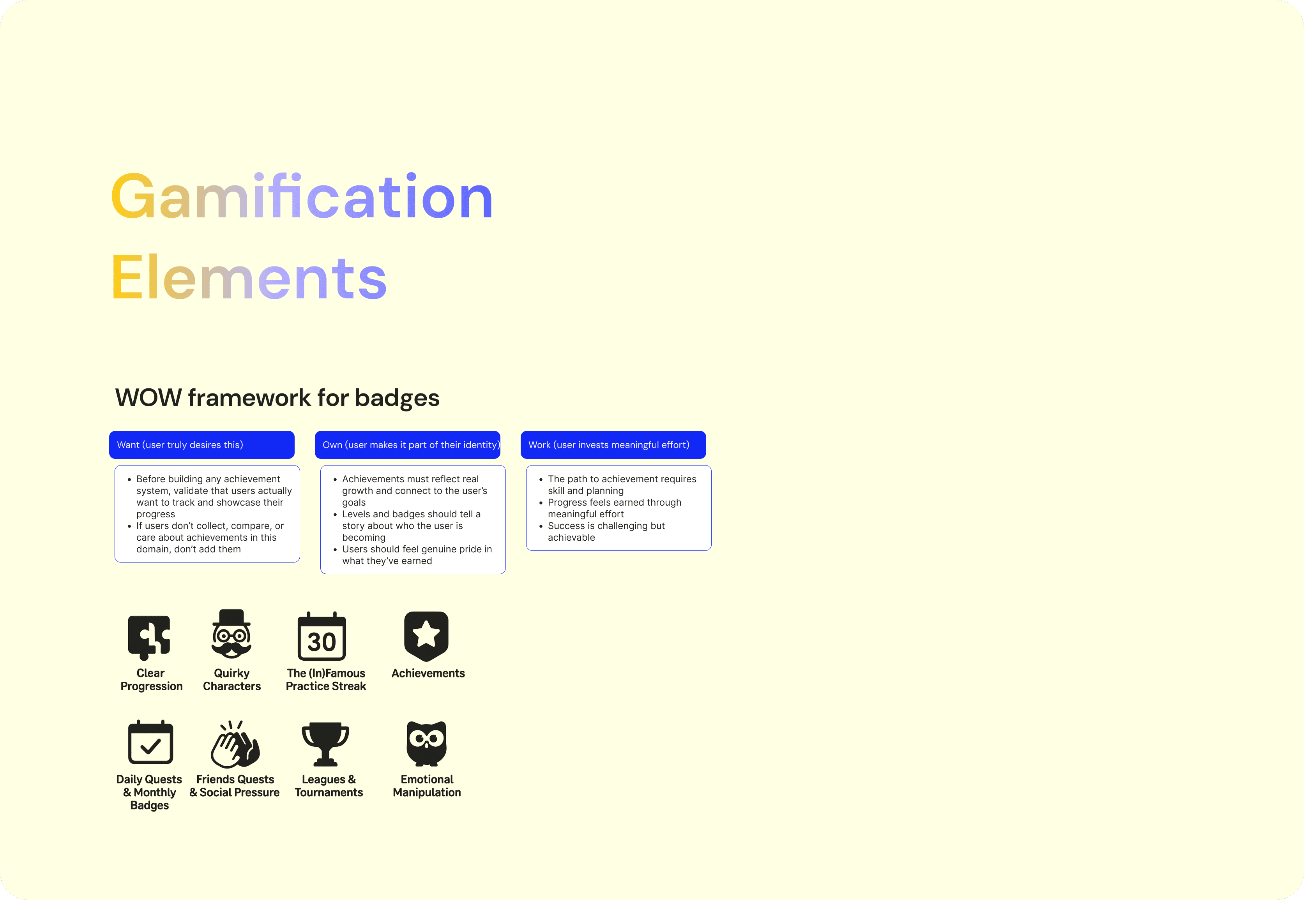
Reinforce value* continuously.
Show users the impact of their actions: time saved, revenue influenced, risk reduced.
Use milestone moments, activity summaries, and periodic success nudges.
Help internal champions make the case for the product through usage data or ROI tracking.

7%

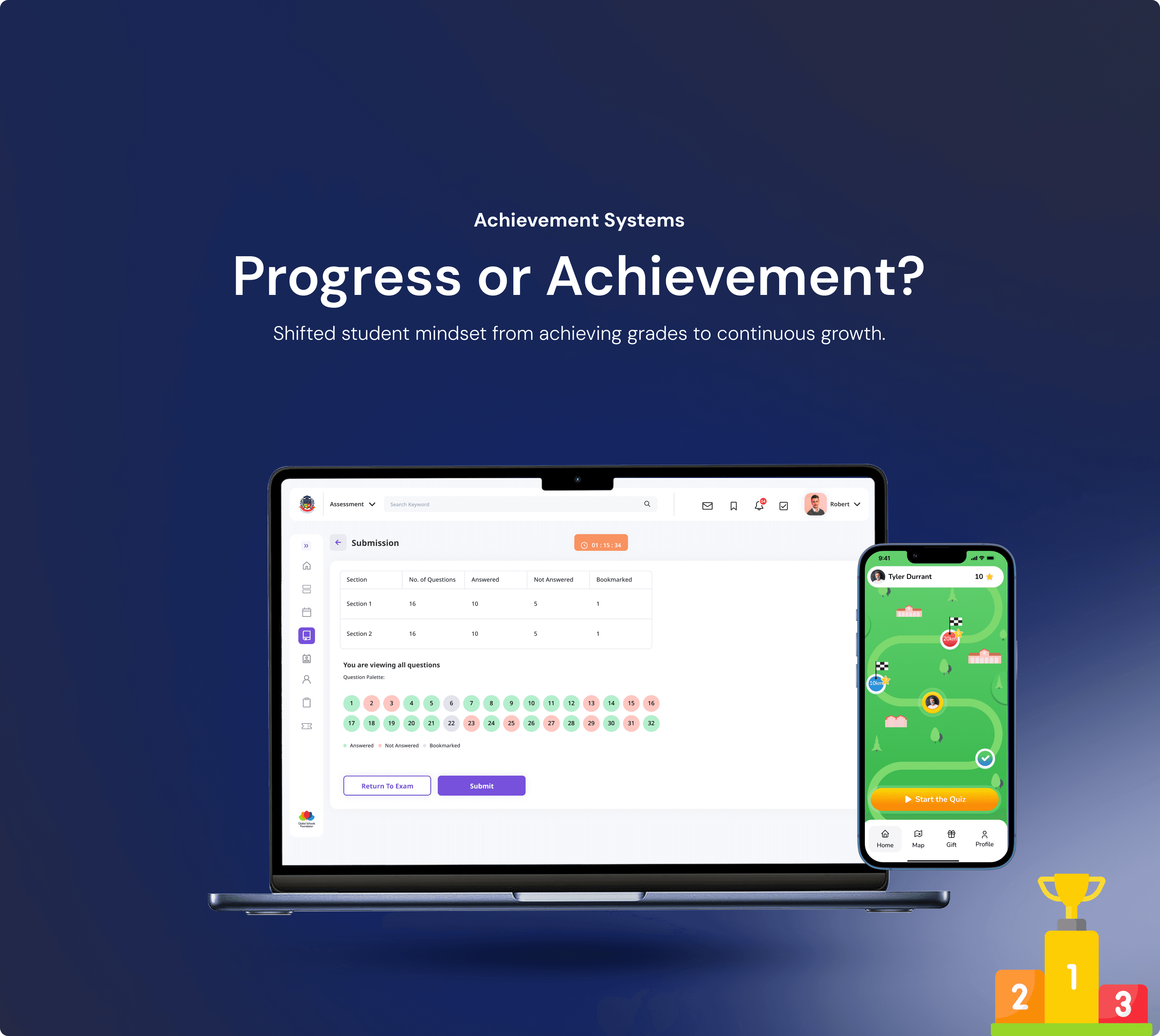
Redesigned badge names improved participation by 7% (measured by badge redemption rates).

10%

Awards and compliment features boosted engagement by 10% (measured via interaction with recognition tools).

14%

Achievement systems improved course completion by 14% (measured by comparing completion rates pre- and post-gamification).

Reinforce value* continuously.
Show users the impact of their actions: time saved, revenue influenced, risk reduced.
Use milestone moments, activity summaries, and periodic success nudges.
Help internal champions make the case for the product through usage data or ROI tracking.

Minimizing Ambiguity

Minimizing Ambiguity

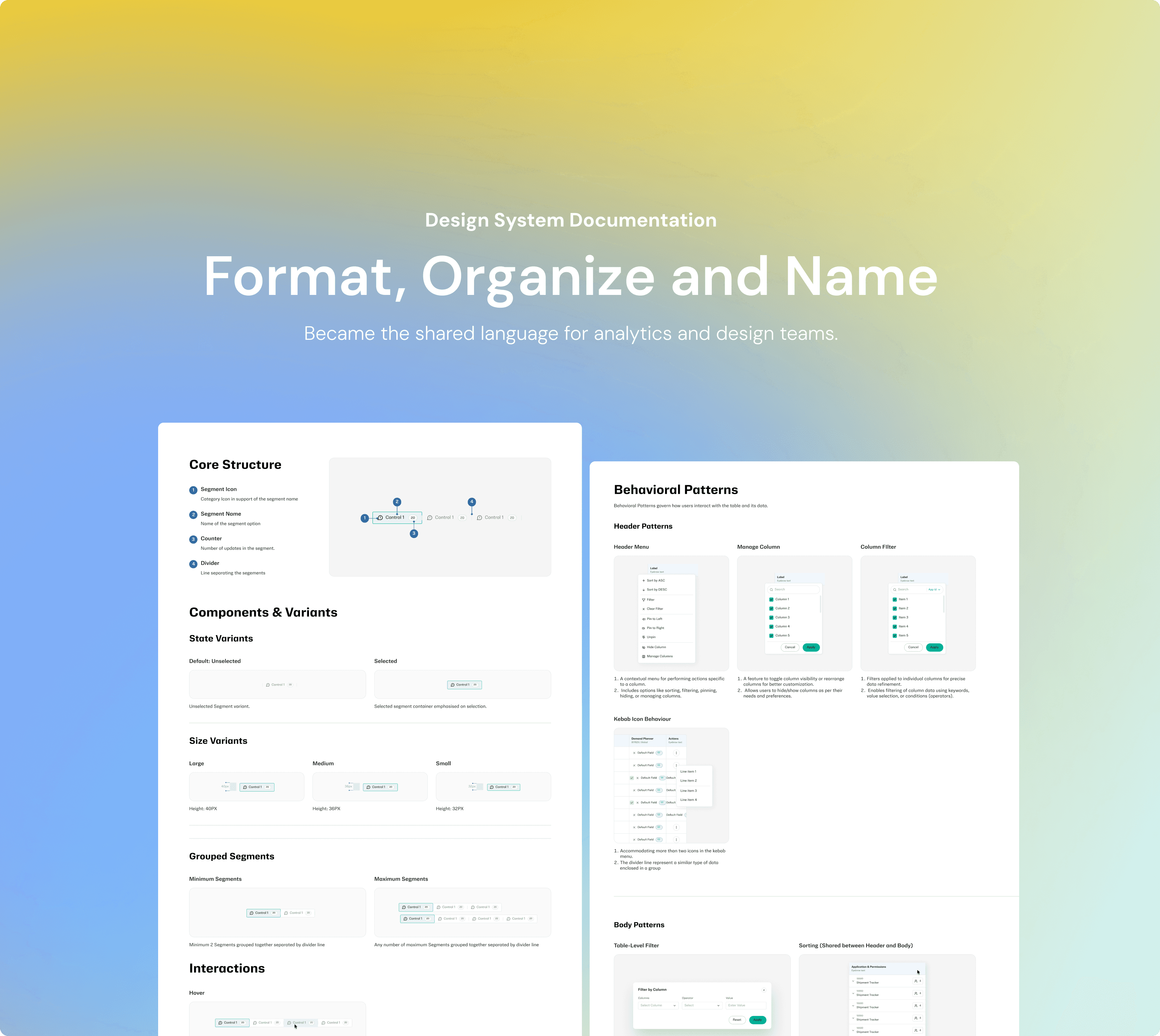
through component definitions

through component definitions

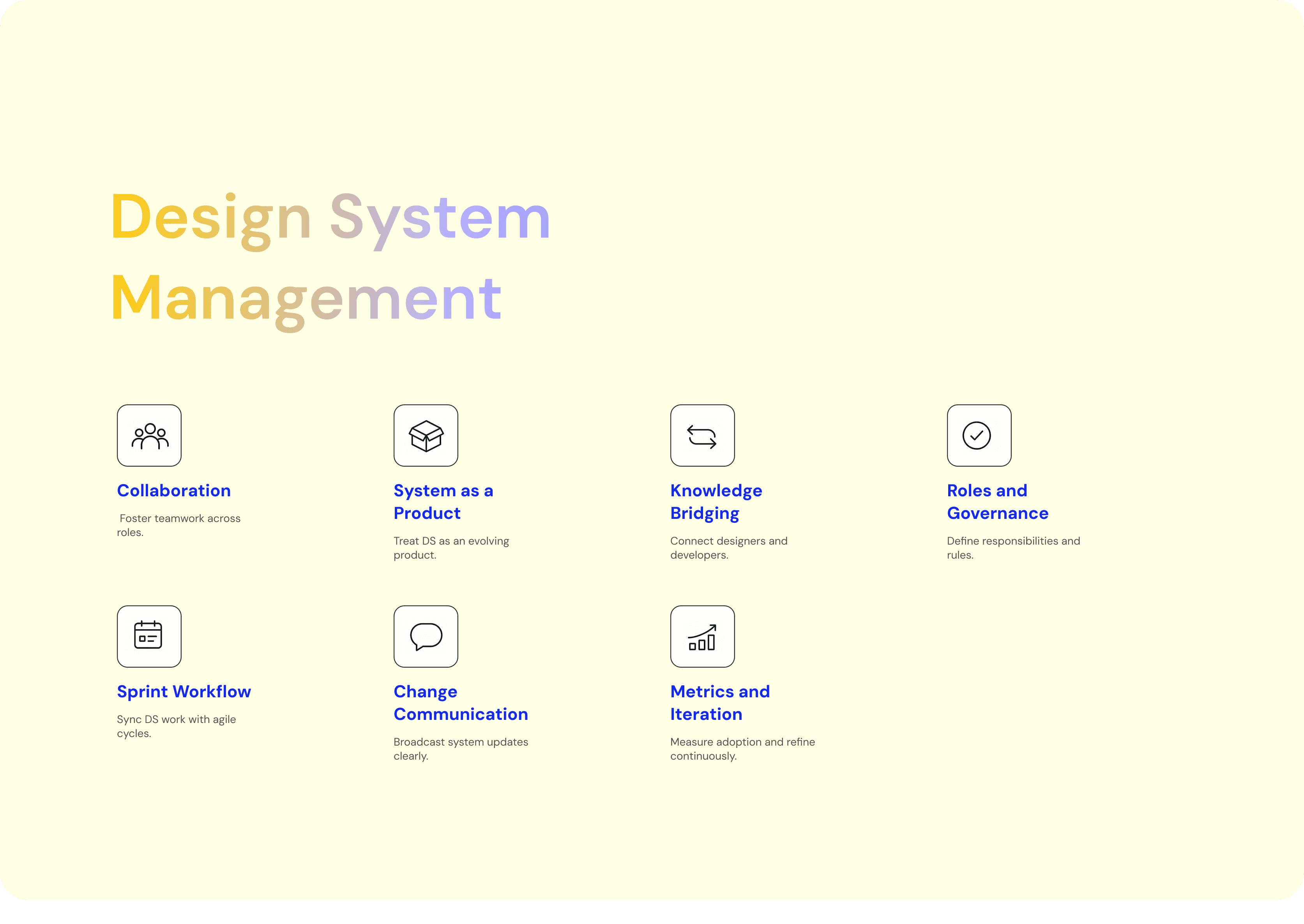
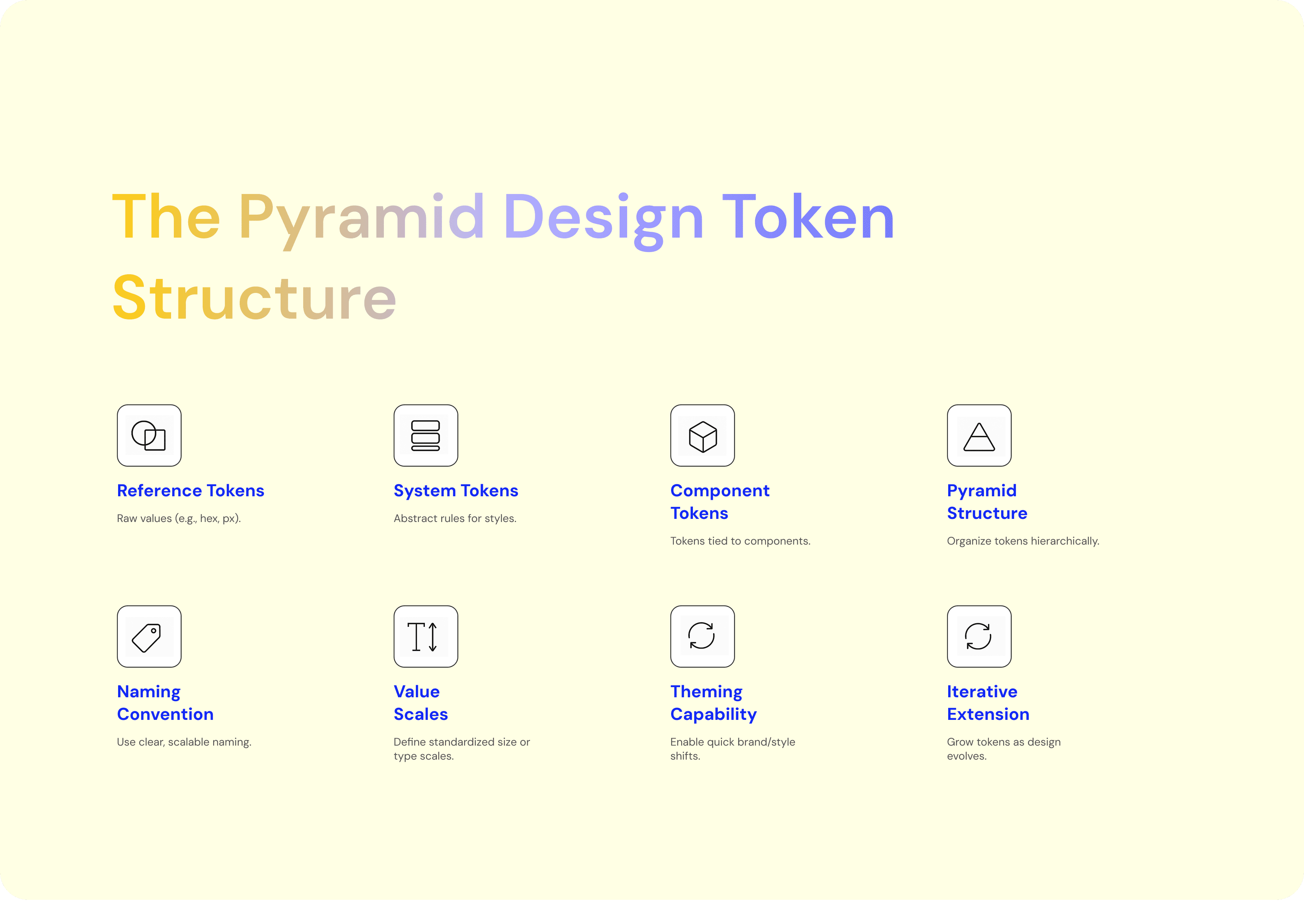
Design systems and Management

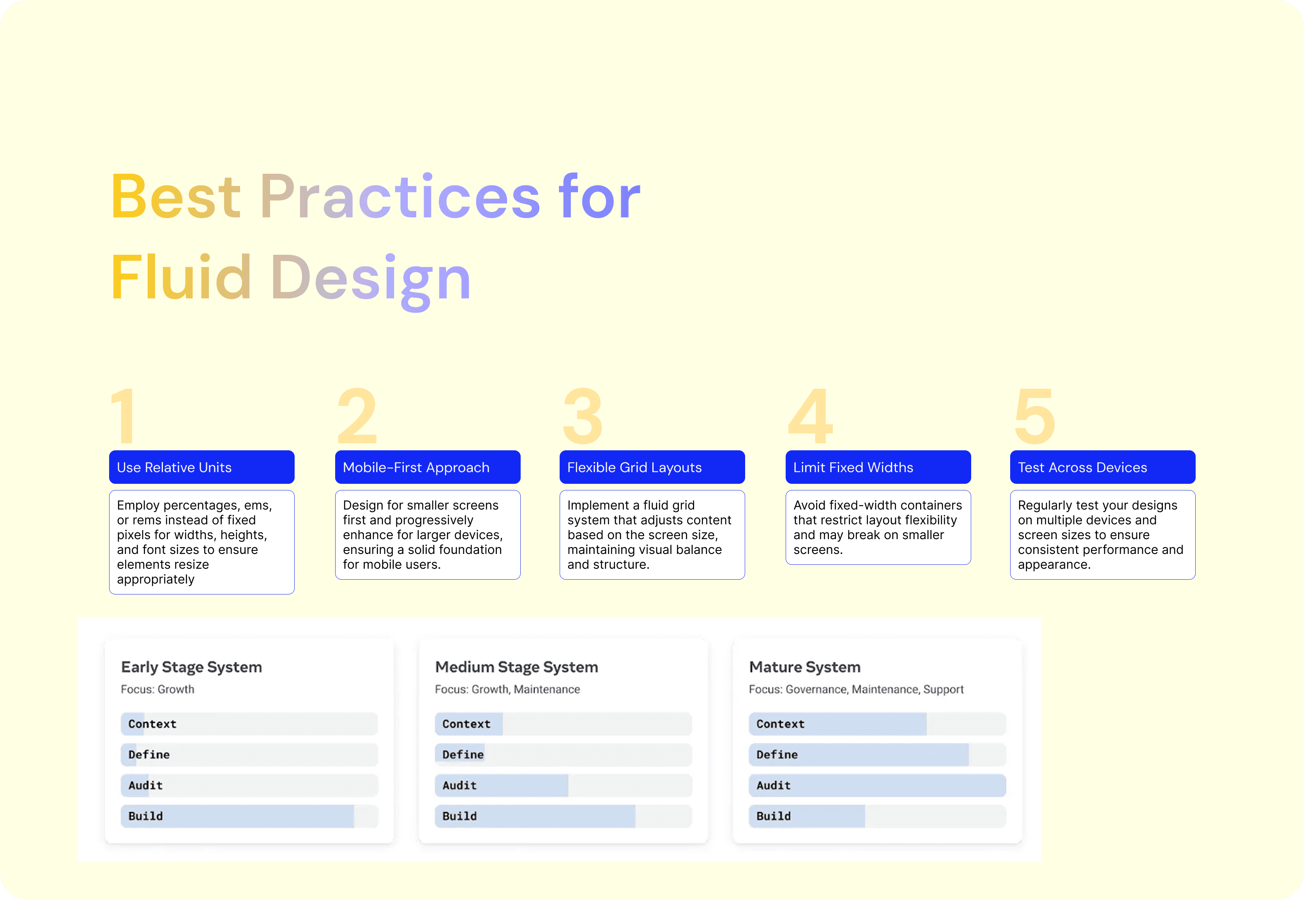
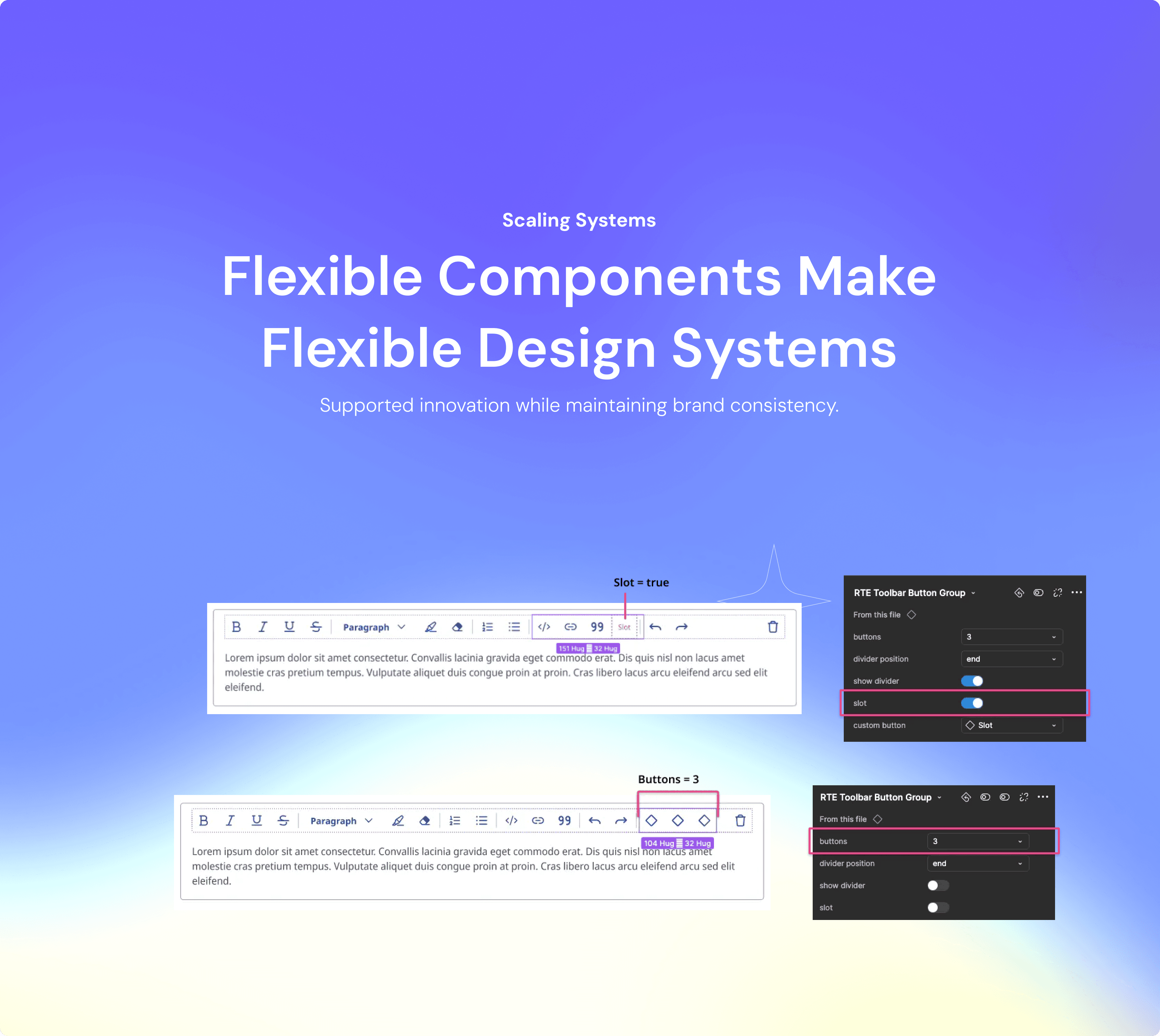
One of the most challenging aspects of maintaining a mature design system is ensuring consistency across teams. With so many users leveraging a shared library, it’s easy for components to be misused or misunderstood. Clear definitions, paired with thoughtful design considerations, are key to addressing this challenge.

20%

Documentation reduced onboarding time for new designers by 20% (calculated from time-to-first-contribution).
18%

Reusable components reduced design cycles by 18% (tracked via average project turnaround time).

15%

Design systems as operational frameworks reduced release delays by 15% (measured via deployment timelines).

One of the most challenging aspects of maintaining a mature design system is ensuring consistency across teams. With so many users leveraging a shared library, it’s easy for components to be misused or misunderstood. Clear definitions, paired with thoughtful design considerations, are key to addressing this challenge.